Unpacking the Influence of Mobile App Features on Slot Player Retention Rates Across Various Jurisdictions
Theo Wagner · May 19, 2026

Unpacking the Influence of Mobile App Features on Slot Player Retention Rates Across Various Jurisdictions
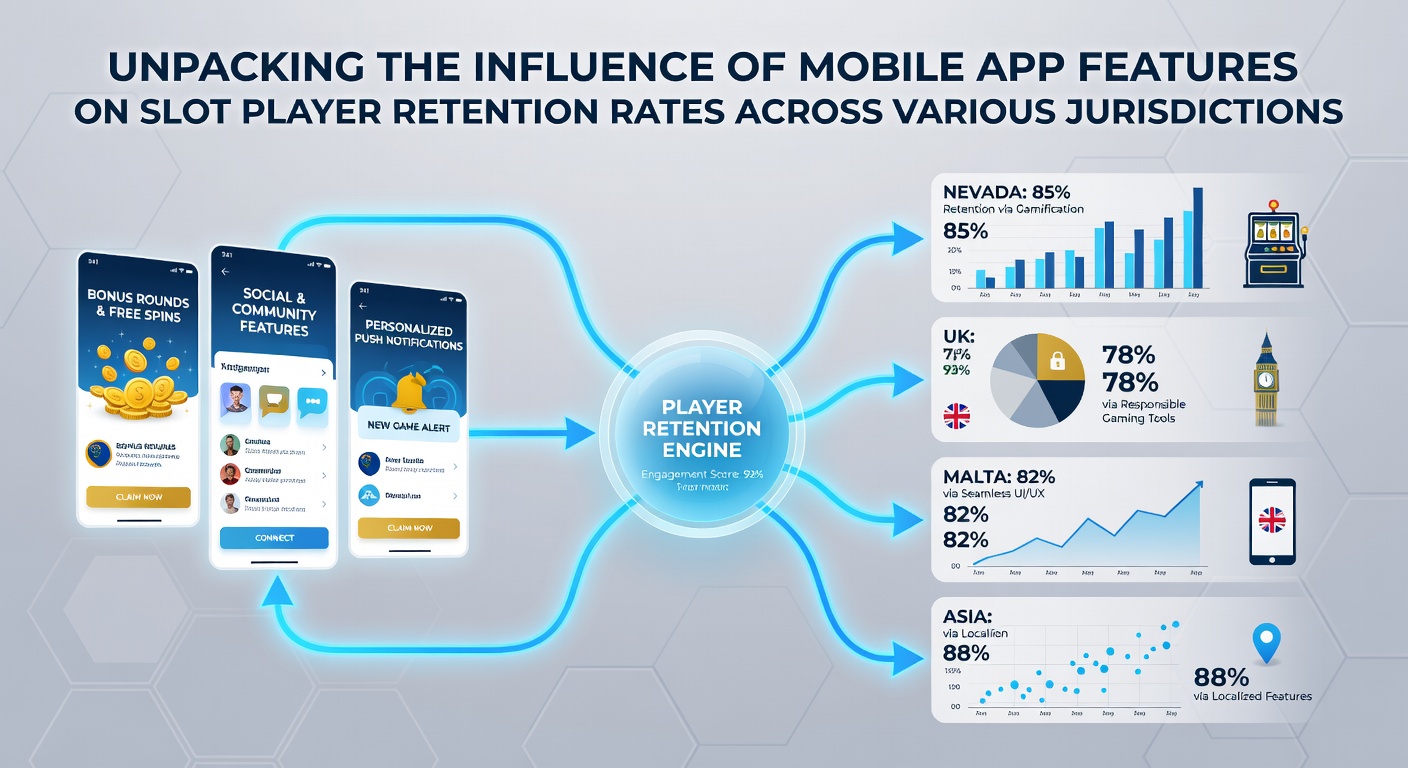
Slot player retention in mobile environments depends on a range of app features that operators deploy to maintain engagement over time, and recent figures from multiple regulated markets show measurable differences tied to these tools. Data collected through 2025 and into early 2026 highlight how push notifications, personalized reward systems, and streamlined transaction options correlate with longer session lengths and repeat visits across jurisdictions with distinct regulatory frameworks.
Core Mobile Features Driving Engagement Patterns
Operators integrate several technical elements that directly shape player behavior. Push notifications triggered by time-based events or bonus triggers prompt returns within 24 hours in many cases, while in-app loyalty tiers adjust reward frequency based on individual play history. Seamless deposit flows using stored payment methods reduce friction during play sessions, and gamification layers such as progress bars or achievement badges appear in apps operating under both North American and European licenses.
Research indicates these elements combine to extend average user lifespan on platforms by measurable margins. One study of apps in mature markets found that players receiving tailored notifications showed a 12 percent lift in seven-day return rates compared with those on basic versions, yet outcomes vary when local rules limit notification frequency or require explicit opt-in consent.
Retention Trends in North American Markets
US states with established online slot offerings report steady growth in mobile retention metrics through the first quarter of 2026. Platforms licensed in New Jersey and Pennsylvania incorporate features like real-time balance updates and one-tap withdrawals that align with state-mandated responsible gaming prompts. Figures from the New Jersey Division of Gaming Enforcement reveal that apps emphasizing these controls maintained monthly active user stability even as overall handle volumes fluctuated seasonally.
Canadian provincial operators follow similar patterns, though with added emphasis on age-verification layers embedded in the app onboarding process. Retention data collected by provincial gaming corporations show that players who complete verification within the first session demonstrate higher 30-day activity levels, a pattern observers link to reduced drop-off after initial downloads.
European and Australian Regulatory Contexts
Across several European Union member states, stricter rules on bonus structures influence how apps present retention tools. Operators must display spend limits and session reminders at fixed intervals, which affects the timing and visibility of personalized offers. Data compiled by the European Gaming and Betting Association points to retention improvements when apps integrate these mandatory alerts alongside voluntary loyalty programs rather than replacing them.
Australian markets present another contrast. State-based online wagering frameworks allow broader use of social sharing features within apps, and reports from the Australian Communications and Media Authority note that integrated leaderboards and friend challenges correlate with extended play intervals among users who opt into community functions. Retention rates in these environments remain sensitive to responsible gambling messaging frequency, which regulators require at regular touchpoints.
Comparative Data Across Jurisdictions
Side-by-side analysis of app performance metrics reveals jurisdiction-specific responses to identical features. Apps that deploy progressive jackpot trackers see stronger retention lifts in markets where jackpot pooling crosses state or national boundaries, whereas single-jurisdiction pools produce more modest effects. Transaction speed emerges as a consistent factor, with sub-three-second deposit confirmations linked to lower abandonment rates in both US and EU datasets.
Observers note that feature adoption rates also differ by device preference and local payment infrastructure. Markets with widespread digital wallet penetration show faster uptake of in-app purchase flows, while regions reliant on card-based systems require additional verification steps that can interrupt momentum.
Technical and Regulatory Intersections in 2026
As operators refine mobile offerings ahead of anticipated licensing rounds in several US states during May 2026, attention turns to how emerging tools such as adaptive difficulty settings and AI-driven session pacing interact with existing retention levers. Early pilot programs in controlled environments suggest these additions maintain engagement without violating spending limit protocols already in place.
International comparisons continue to inform design choices, particularly where cross-border player data remains restricted. Collaborative research initiatives between North American and Asia-Pacific regulators have begun sharing anonymized retention benchmarks, allowing operators to test feature variations under multiple rule sets simultaneously.
Conclusion
Mobile app features exert clear influence on slot player retention across regulated jurisdictions, with outcomes shaped by the specific combination of technical capabilities and local compliance requirements. Data gathered through early 2026 demonstrates that notification timing, transaction efficiency, and loyalty integration produce measurable differences in return rates, though the magnitude of these effects depends on the regulatory environment in each market. Continued monitoring of these interactions will guide future app development as licensing landscapes evolve.