Tracing Player Migration Patterns Following State-Level Tax Reforms on Winnings from Interstate Wagering Activities
Rafael Hughes · Jun 9, 2026
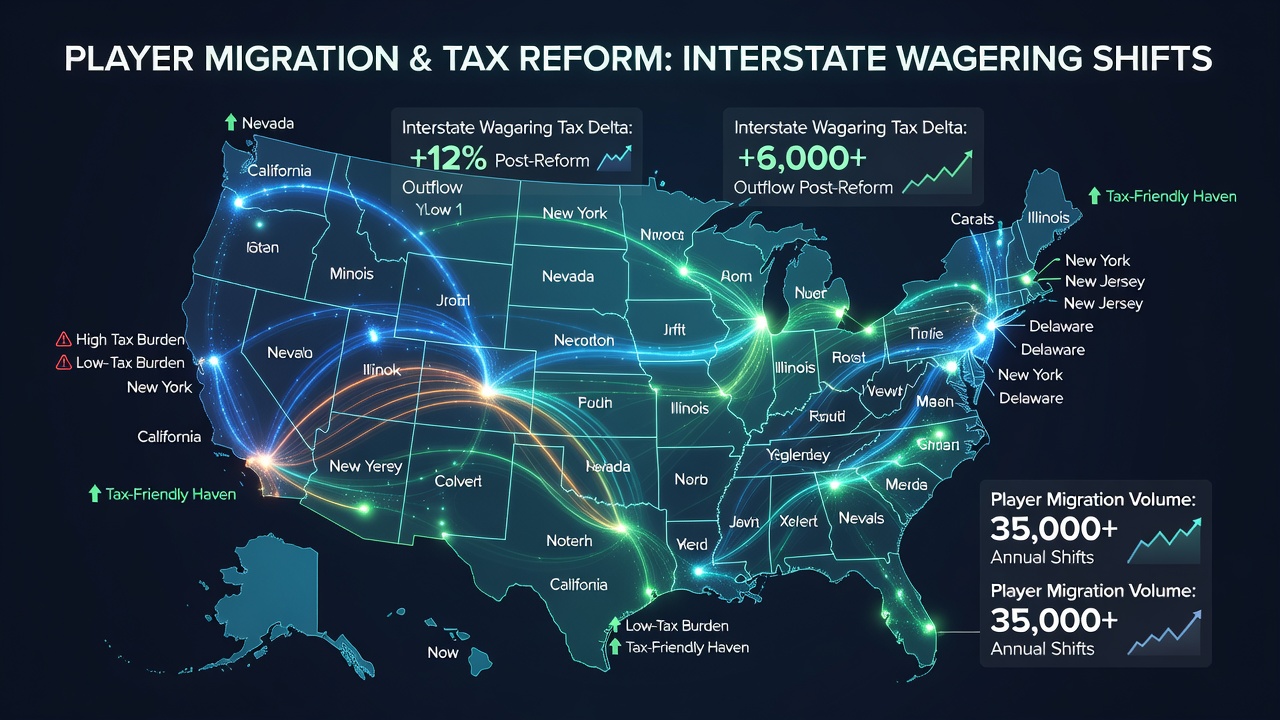
Tracing Player Migration Patterns Following State-Level Tax Reforms on Winnings from Interstate Wagering Activities
State legislatures have adjusted tax structures on gambling winnings from activities that cross state lines, and analysts have begun documenting corresponding changes in player behavior. These reforms target revenue from sports betting, online poker, and similar interstate platforms where participants reside in one jurisdiction yet engage operators licensed elsewhere. Data compiled through mid-2026 reveals measurable movements in account registrations and transaction volumes that align with the timing of these policy shifts.
Key Tax Adjustments Across Jurisdictions
Multiple states implemented revised withholding rates and reporting requirements during 2025 and into 2026, creating noticeable differences in net returns for players. Some raised effective rates on winnings above certain thresholds while others introduced credits or reduced burdens for in-state operators. Observers note that these changes coincided with updates to how platforms handle multi-state player pools, particularly after federal guidance clarified reporting obligations for operators handling wagers from residents in varying tax environments.
Activity logs from major platforms indicate that players in higher-tax states increased sessions with operators based in lower-tax jurisdictions, though total handle volumes remained relatively stable overall. Researchers tracking anonymized transaction data have identified clusters of account migrations concentrated in the months immediately following each state's announcement of new rules.
Observed Migration Trends in Early 2026
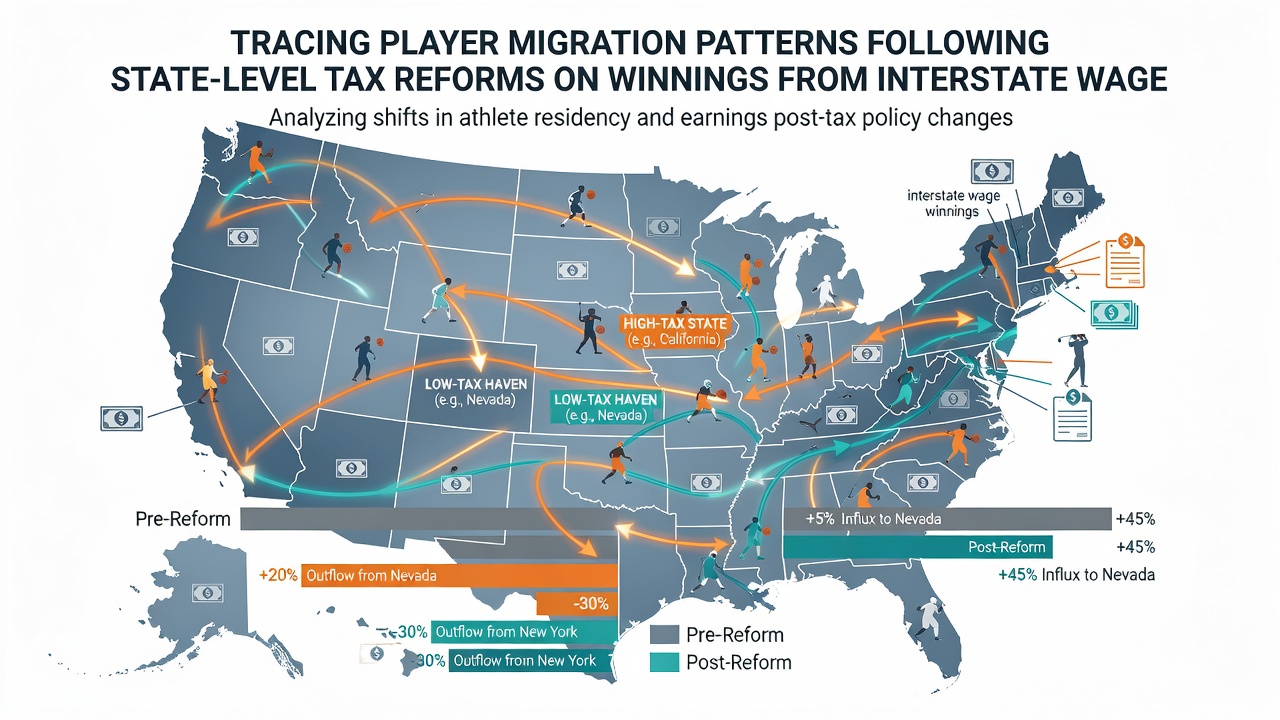
Transaction records show elevated registration activity in states such as Nevada and Pennsylvania during the first half of 2026, while certain Northeast and Midwest markets experienced corresponding declines in new accounts. These shifts appear tied to differences in how winnings are taxed rather than broader market growth alone. Platforms reported that a subset of frequent users adjusted their primary betting locations, often maintaining secondary accounts in original home states for compliance purposes.
One study released in June 2026 by a university research group examined geo-located betting patterns and found that interstate wagering flows increased by double-digit percentages in select corridors where tax differentials exceeded five percentage points. The analysis drew on aggregated data supplied by operators across seven states and highlighted that migration occurred most prominently among players with annual wagering volumes above median levels.
Factors Driving Player Relocation Decisions
Platform operators have adjusted marketing and account management tools in response to these patterns, including targeted promotions for users near state borders. Enforcement mechanisms also play a role, since some states strengthened verification processes for tax residency while others streamlined cross-border payment reporting. Players appear to weigh convenience factors such as payment processing speed and available game variety alongside tax considerations when selecting primary operators.
Industry reports indicate that migration tends to stabilize after initial adjustment periods, with repeat users settling into routines that balance tax exposure against platform features. Data from regulatory filings show that total tax collections in reform states have not declined uniformly, because increased overall participation in some markets has offset per-player reductions.
Impacts on Operators and Regulatory Oversight
Operators licensed in multiple states have expanded compliance teams to manage varying withholding schedules and have invested in software that flags potential residency changes. Regulatory bodies in affected jurisdictions have begun sharing data more frequently to track cross-border activity and ensure proper remittance of taxes. These collaborative efforts have produced clearer pictures of how players navigate differing rulesets without necessarily violating any single state's statutes.
According to information from the Nevada Gaming Control Board, cross-state transaction monitoring improved substantially in the first quarter of 2026, allowing regulators to identify patterns that previously escaped notice. Similar initiatives in other regions have contributed to a more granular understanding of how tax policy influences player distribution across the national market.
Conclusion
State-level tax reforms on winnings from interstate wagering have produced measurable shifts in player account activity and transaction flows, with data through June 2026 documenting these adjustments in real time. Continued monitoring by operators, academics, and regulators will clarify whether these patterns represent short-term responses or longer-term realignments in how participants engage with multi-jurisdictional platforms. The evolving landscape underscores the interconnected nature of state policies in shaping national wagering behavior.