The Intersection of Blockchain Technology and Payout Processing Speeds in Licensed Digital Gaming Platforms Operating Under Varying State Oversight Frameworks
Klara Schmidt · Jun 14, 2026
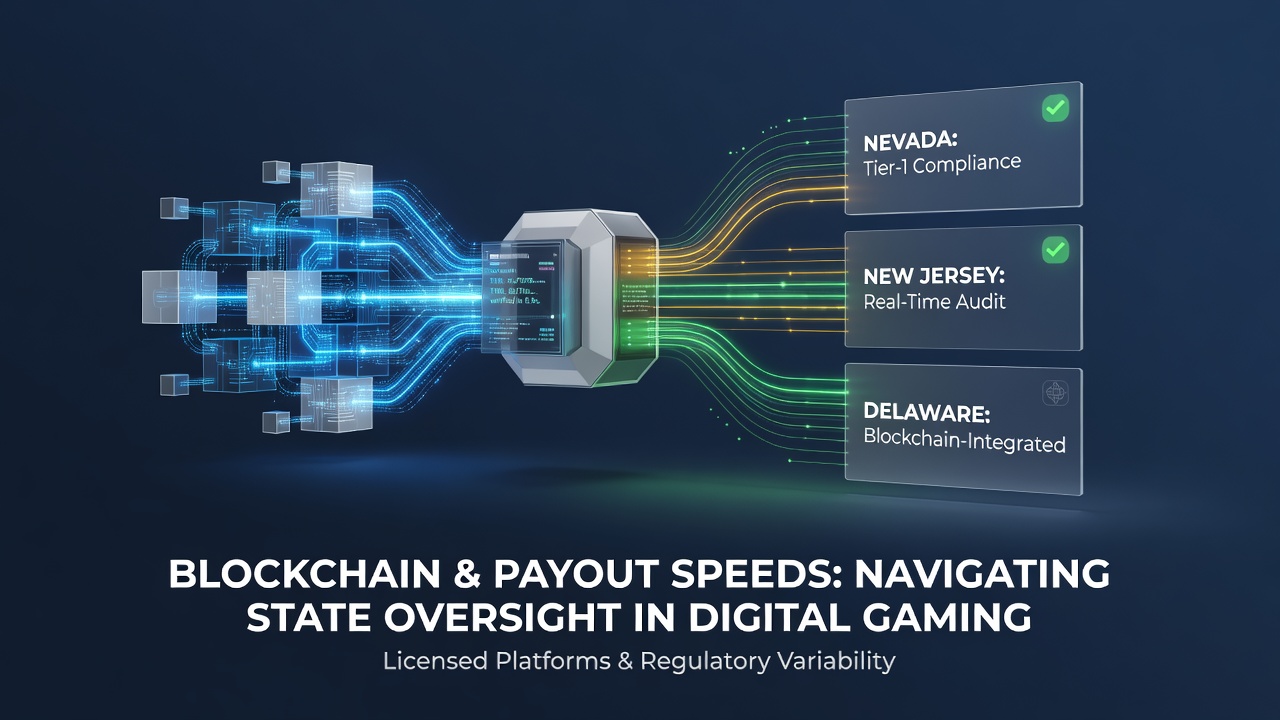
The Intersection of Blockchain Technology and Payout Processing Speeds in Licensed Digital Gaming Platforms Operating Under Varying State Oversight Frameworks
Licensed digital gaming platforms have started integrating blockchain systems to handle payouts, and observers note that transaction speeds often improve when these platforms replace traditional banking rails with distributed ledger methods. Research from financial technology studies shows that blockchain-based settlements can complete in seconds rather than the days required by automated clearing house transfers, yet state oversight frameworks determine how quickly operators may adopt such tools. Several states have begun updating rules around digital asset use in gaming, and data from regulatory filings indicate that platforms licensed in multiple jurisdictions face different approval timelines for blockchain pilots. In states with established online gaming statutes, operators report faster internal processing once blockchain wallets receive clearance, while stricter jurisdictions require additional compliance layers that extend rollout periods.Blockchain Mechanics in Payout Systems
Blockchain protocols record each transaction across multiple nodes, and this distributed verification replaces centralized bank approvals that typically introduce delays. Platforms using permissioned ledgers maintain control over participant access while still achieving settlement times under one minute for most withdrawals, according to industry technical reports.
Smart contracts automate release conditions once predefined criteria such as identity verification and responsible gaming checks pass, and those who've implemented these systems find that manual review steps decrease significantly. State regulators examine these automated processes during licensing reviews, and approval often hinges on audit trails that the ledger itself provides.
State Oversight Variations and Implementation Timelines
Regulatory approaches differ sharply across jurisdictions, and operators must navigate approval processes that range from streamlined pilot programs to multi-stage security assessments. One state gaming division may accept third-party blockchain audits from accredited firms, whereas another requires on-site node inspections before authorizing live payouts.
Figures from early 2026 show that platforms operating under newer frameworks completed blockchain integration phases in four to six months, while those under legacy rules extended the same work across twelve to eighteen months. June 2026 saw additional legislative proposals in two western states that aim to create sandboxes specifically for testing payout speed improvements through distributed ledgers.

Processing Speed Comparisons Across Jurisdictions
Traditional payment processors used by gaming platforms average forty-eight to seventy-two hours for withdrawals once compliance checks finish, yet blockchain alternatives reduce this window to under ten minutes in approved environments. A comparative analysis conducted by a Canadian research institute found that licensed operators in less restrictive states achieved median payout times of 3.2 minutes after blockchain deployment.
Platforms must still comply with anti-money laundering requirements regardless of settlement method, and state rules often mandate that operators retain the ability to freeze transactions even after ledger confirmation. Those who've studied implementation patterns note that hybrid systems, which combine blockchain speed with traditional escrow holds during review periods, satisfy both speed goals and oversight demands.
Technical and Compliance Considerations
Key technical requirements include wallet custody standards and key management protocols that state examiners review before granting operational approval. Data encryption levels and node geographic distribution also factor into approval decisions, and platforms report that meeting these specifications adds initial setup time but supports faster ongoing transactions.
Academic papers on distributed ledger applications in regulated industries highlight that auditability improves when every payout carries an immutable timestamp and participant identifier. State regulators increasingly request access to these records during routine examinations, and operators using blockchain systems can provide such data without additional manual compilation.
Future Regulatory Developments
Industry associations tracking legislative activity expect more states to introduce blockchain-specific guidelines by late 2026, and early drafts suggest standardized security benchmarks that could shorten approval cycles once adopted. Platforms already operating across multiple states continue to refine their systems to meet the strictest common requirements, which often become de facto standards for newer entrants.
Conclusion
Blockchain integration continues to alter payout processing capabilities within licensed digital gaming, while state oversight frameworks shape the pace and scope of adoption. Operators balance transaction speed gains against compliance obligations that vary by jurisdiction, and ongoing regulatory updates will determine how widely these technologies expand in the coming years.