The Evolution of Artificial Intelligence Tools for Spotting Fraud in State-Licensed Online Gambling Platforms
Sam Lehmann · Aug 11, 2026
The Evolution of Artificial Intelligence Tools for Spotting Fraud in State-Licensed Online Gambling Platforms
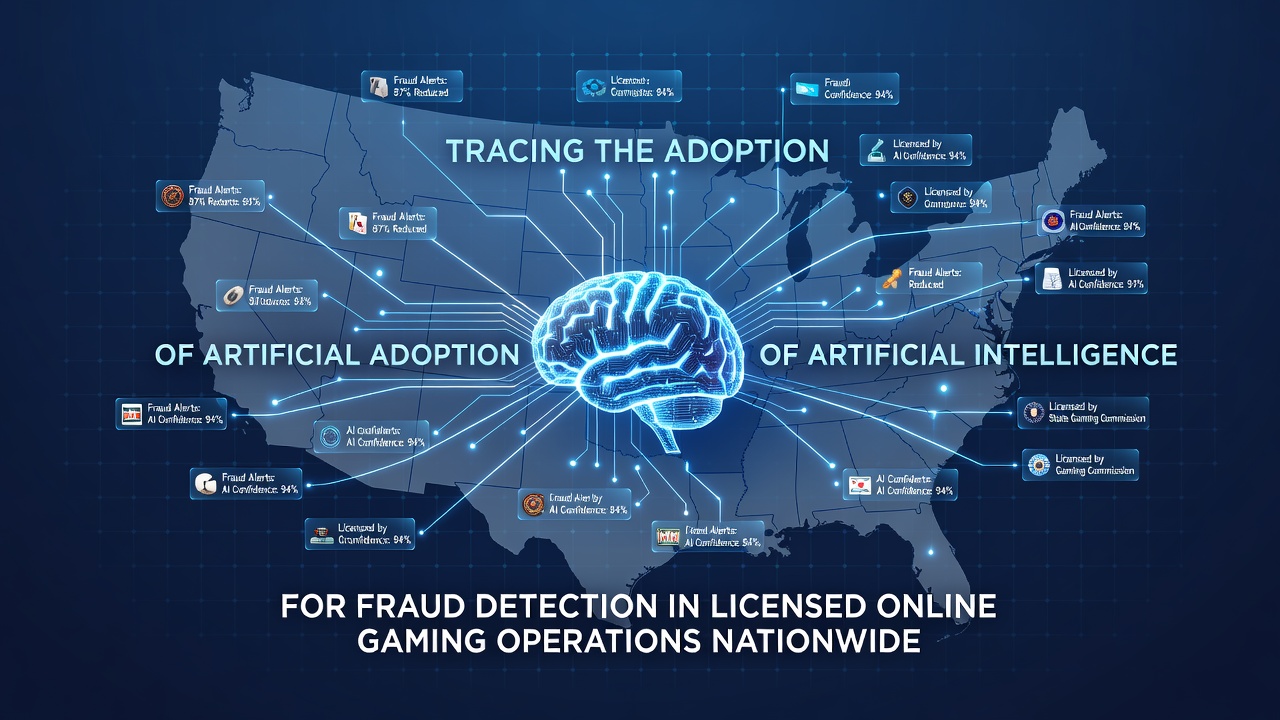
Artificial intelligence has moved from experimental pilots to core infrastructure in many licensed online gaming operations, where operators deploy machine learning models to scan millions of transactions daily for signs of manipulation, account takeover, and bonus abuse. Regulators in states such as New Jersey, Pennsylvania, and Michigan have required detailed reporting on these systems since 2023, creating a growing body of public data that shows adoption rates climbing each quarter.
Early Detection Methods and Their Limits
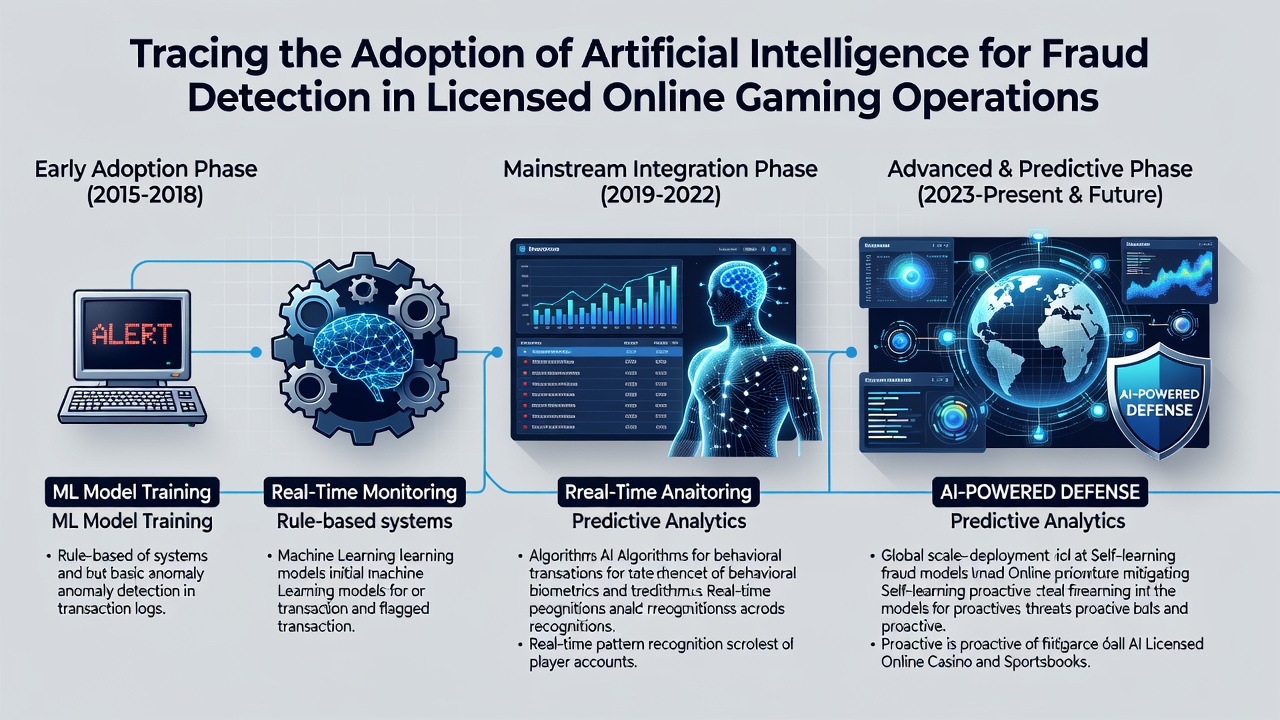
Before machine learning entered the picture, compliance teams relied on rules-based filters that flagged transactions exceeding fixed thresholds for deposit velocity or withdrawal size, yet these static rules often missed coordinated attacks that stayed just below the limits while still draining promotional balances across hundreds of accounts. Observers note that sophisticated syndicates adapted quickly, rotating device fingerprints and payment methods to stay under the radar until cumulative losses triggered manual reviews that arrived too late.
Transition to Machine Learning Models
Operators began testing supervised learning algorithms trained on historical fraud cases around 2021, feeding features such as login geolocation shifts, betting pattern entropy, and device consistency scores into models that output risk scores in real time. Data from the American Gaming Association indicates that by mid-2025 more than sixty percent of iGaming licensees in regulated markets had at least one production model running, with many adding unsupervised anomaly detection layers to catch previously unseen attack vectors.
Those who've studied implementation timelines report that integration typically starts with payment processing, moves to account creation, then expands to in-game behavior monitoring, and the sequence allows teams to validate accuracy against known cases before widening scope. In August 2026 several multistate operators presented updated performance metrics at an industry summit, showing false-positive rates dropping below three percent while detection of bonus abuse schemes rose by forty percent compared with 2024 baselines.
Regulatory Requirements Across Jurisdictions
State gaming control boards have responded with varying degrees of specificity. The New Jersey Division of Gaming Enforcement now mandates quarterly model audits that examine training data provenance and bias testing, whereas Michigan requires only that operators demonstrate reasonable controls without prescribing audit frequency. This patchwork has encouraged vendors to build configurable platforms that let licensees toggle reporting depth according to each regulator's checklist.
One study released by researchers at the University of Nevada, Reno examined three years of anonymized alert data and found that models combining graph neural networks with traditional gradient boosting achieved the highest precision on collusion detection in poker rooms, while simpler logistic regression remained competitive for straightforward payment fraud. The work highlighted that continuous retraining on fresh labeled incidents proved more important than model architecture in sustaining performance.
Operational Impacts and Vendor Landscape
Teams responsible for reviewing AI-flagged cases report that daily alert volumes have stabilized even as transaction counts grew, because the models surface higher-quality signals that investigators can action quickly. Vendors supplying these systems often embed explainability modules that generate natural-language rationales for each score, satisfying both internal compliance officers and external auditors who must document why an account was restricted.
What's interesting is how smaller regional operators have adopted the same cloud-based services used by larger multistate platforms, lowering the barrier that once favored only the biggest licensees. Licensing agreements frequently include service-level guarantees around model uptime and latency, ensuring risk scoring completes before a withdrawal request reaches the payment processor.
Challenges in Data Quality and Cross-State Sharing
High-quality labeled data remains the bottleneck. Operators must balance the need for diverse training examples against privacy obligations, and some have formed limited data-sharing consortia under strict governance to pool attack signatures without exposing player identities. Regulators have begun exploring whether anonymized incident reports could be centralized at the national level, though no formal mechanism exists yet.
Conclusion
The record shows steady expansion of artificial intelligence throughout licensed online gaming operations nationwide, driven by regulatory expectations, operational efficiency gains, and the increasing sophistication of fraud attempts. As of August 2026 the technology sits at an inflection point where most major platforms treat it as essential infrastructure rather than an optional enhancement, and continued refinement of both models and oversight frameworks will determine how effectively the sector keeps pace with evolving threats.