State-Level Differences in Slot Return Requirements Shape Casino Business Approaches Across the Country
Klara Schmidt · Jul 31, 2026
State-Level Differences in Slot Return Requirements Shape Casino Business Approaches Across the Country
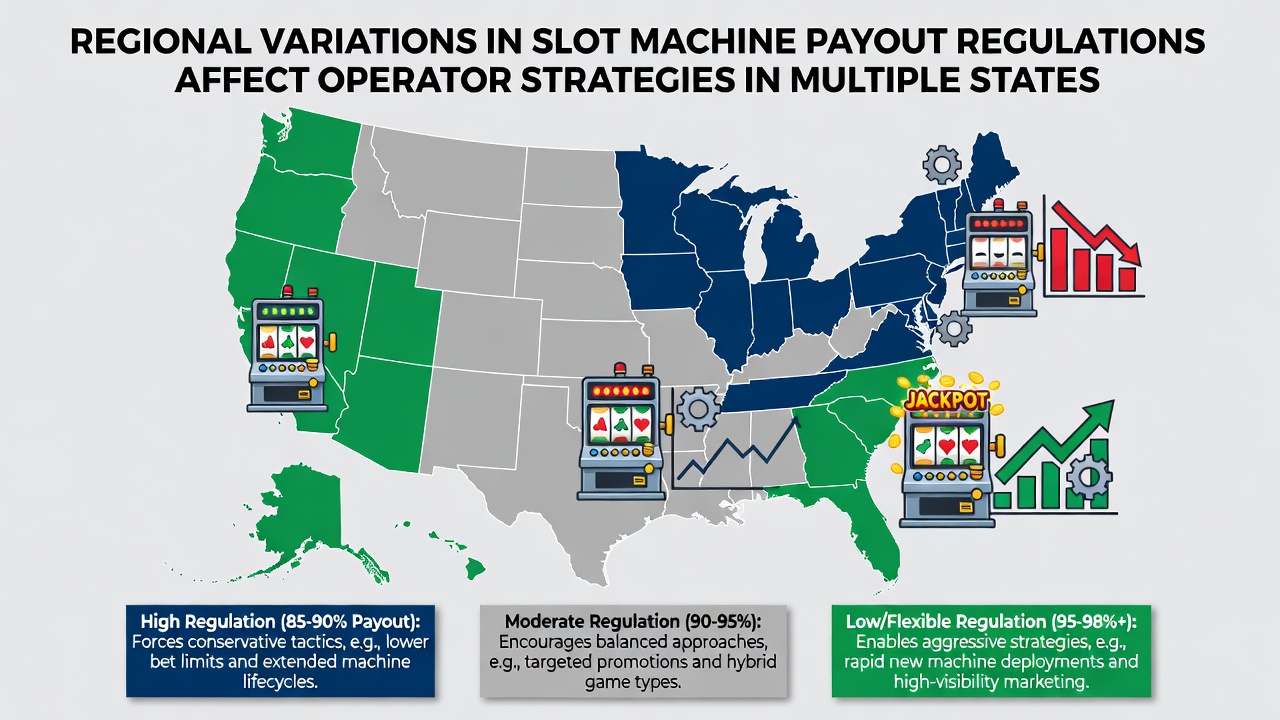
Regional differences in slot machine payout regulations create distinct operating environments that operators navigate when planning floor layouts, game selections, and revenue targets in various states, and these variations often trace back to statutes passed years or decades earlier that set minimum return-to-player percentages or leave such matters to individual casino discretion.
Minimum Return Thresholds and Their Geographic Spread
Some jurisdictions mandate a minimum return-to-player figure of 80 percent while others set the floor at 85 or even 90 percent, and still more states impose no statutory minimum at all, leaving the decision to market competition or tribal compact terms. Data from regulatory filings show that states without a mandated floor tend to see a wider range of actual returns across machines, whereas states with higher minimums report tighter clustering around the required percentage. Operators respond by adjusting the proportion of high-denomination machines or progressive titles they install in each market, since those games often carry different return profiles that must still satisfy the local rule set.
Adaptations in Floor Management and Game Mix
Property managers in states with stricter minimums frequently increase the number of video poker and video keno terminals because those titles can achieve the required return while maintaining acceptable hold percentages through player-skill elements. In contrast, facilities in states that set lower or no minimums allocate more floor space to mechanical reel games and high-volatility slots that deliver larger but less frequent payouts. One study of casino performance reports released in July 2026 indicated that operators with multi-state portfolios shifted roughly 12 percent of their new slot purchases toward lower-volatility models in jurisdictions that raised minimum return thresholds during the prior legislative session.
Regulatory Updates and Cross-Border Comparisons
Legislative activity during the first half of 2026 produced new language in two western states that ties future minimum returns to inflation-adjusted calculations, a change that requires operators to recalculate theoretical hold percentages each fiscal year. Meanwhile, an eastern state that had long left return percentages unregulated announced it would begin collecting and publishing aggregate return data starting in the fourth quarter of 2026, giving both regulators and operators additional benchmarks. Observers note that these policy shifts encourage companies to model revenue scenarios across their entire portfolio rather than treating each property as an isolated unit.
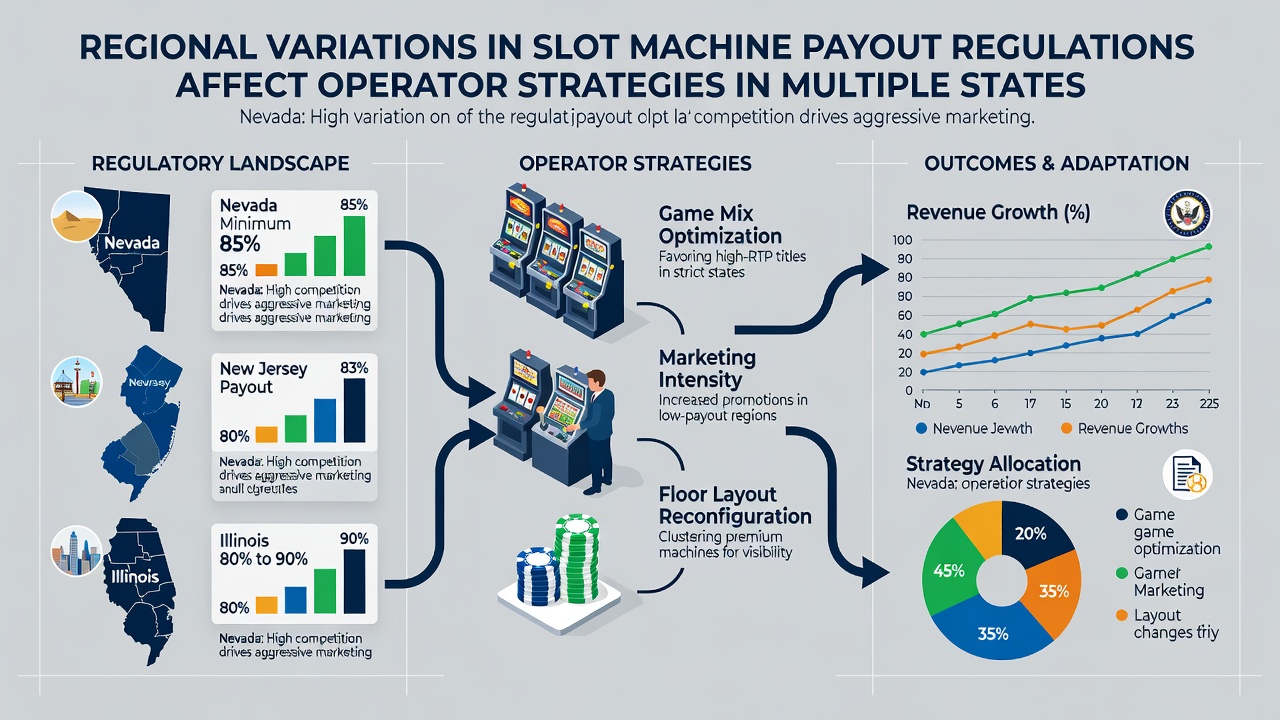
Companies that hold licenses in both regulated and unregulated markets often centralize procurement decisions at the corporate level so that slot orders can be redirected to whichever jurisdiction offers the most favorable combination of regulatory burden and expected player demand. This centralized approach also allows finance teams to project tax liabilities more accurately, since several states calculate gaming taxes on net win after the mandated return percentage has been satisfied.
Impact on Marketing and Player Incentives
Marketing departments adjust promotional calendars to match the return environment of each property. In states where minimum returns are high, operators emphasize time-on-device rewards and loyalty points that extend play sessions rather than promising large jackpots, because the regulatory floor already limits how low the hold percentage can fall. In states with greater flexibility, advertising campaigns highlight progressive jackpots and high-volatility titles that can produce the outsized wins that draw certain player segments. Industry reports compiled by state gaming agencies show measurable differences in average session length and coin-in per visit that align with these varying incentive structures.
Technology and Compliance Considerations
Slot manufacturers now offer configurable firmware that lets operators toggle between multiple return profiles on the same cabinet, reducing the need to swap physical machines when regulatory requirements change. Compliance teams run quarterly audits that compare actual performance against the applicable state standard, and any shortfall triggers immediate reconfiguration or replacement of underperforming units. The Nevada Gaming Control Board publishes technical standards that many other states reference when drafting their own rules, creating a de facto baseline that operators can use when entering new markets.
Academic researchers at several universities have begun examining how these regulatory differences correlate with player migration patterns across state lines, although findings remain preliminary as of mid-2026. Their datasets include anonymized transaction logs from loyalty programs that span multiple jurisdictions, allowing comparisons of play behavior under different return mandates.
Conclusion
State-specific payout regulations continue to influence where operators allocate capital, which game types they prioritize, and how they structure player rewards, and the pattern of adaptation shows no sign of slowing as additional legislatures consider adjustments to existing rules during upcoming sessions. Companies with footprints in multiple states maintain dedicated regulatory affairs staff who track proposed changes and model their financial impact well before any new statute takes effect.