Skill-Based Arcade Games Transform Retention Approaches in Local Venues of Emerging Markets
Klara Schmidt · Jul 24, 2026
Skill-Based Arcade Games Transform Retention Approaches in Local Venues of Emerging Markets
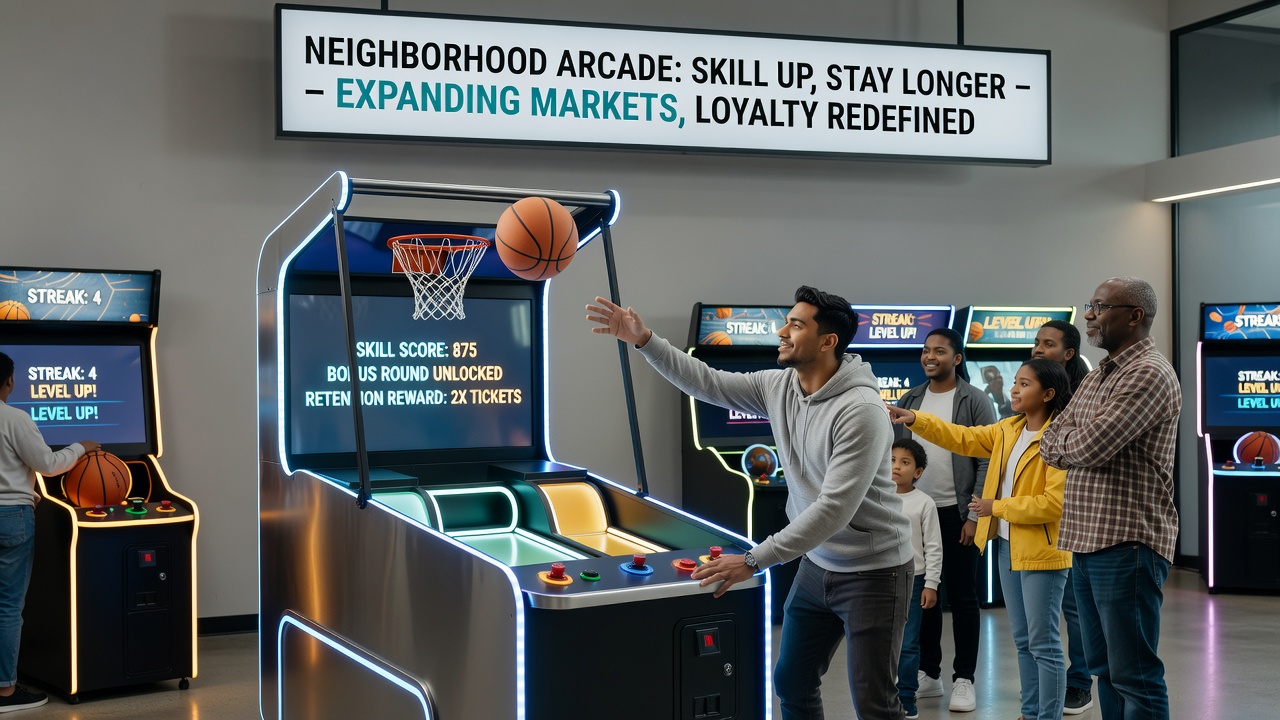
Neighborhood gaming spots across expanding markets have begun incorporating skill-based arcade games into their offerings, and operators report measurable shifts in how they approach player retention. These games blend elements of player ability with traditional arcade formats, creating experiences that differ from pure chance-based machines. Data from industry tracking shows increased repeat visits in locations where such titles occupy prominent floor space, particularly in regions where gaming regulations have recently loosened.
Mechanics Behind Skill-Based Formats
Skill-based arcade games typically require timing, precision, or strategic decision-making during play, which allows participants to influence outcomes more directly than in slot-style devices. Manufacturers have developed hybrids that combine these interactive components with payout systems compliant with local rules, and venues in markets like parts of Southeast Asia and Latin America have adopted them rapidly since early 2025. Research from university gaming studies indicates that players spend longer sessions on these machines because success feels tied to personal performance rather than random results alone.
Operators note that the games often feature leaderboards and competitive modes, which encourage social interaction among regular visitors. In one documented case from a mid-sized city in an emerging jurisdiction, a single venue replaced several older machines with skill-focused units and recorded a 22 percent rise in monthly foot traffic within six months. Such adjustments reflect broader efforts to differentiate neighborhood spots from larger casino properties that dominate with high-stakes tables and digital slots.
Retention Tactics Evolving at the Local Level
Retention tactics at these smaller venues now frequently include loyalty programs tied directly to skill-game performance, such as bonus credits for high scores or tournament entries that reward consistent participation. Venues track individual play patterns through integrated systems, then deploy targeted offers like discounted re-entries or merchandise rewards that keep players returning on specific days. Figures released in July 2026 by regional trade groups show that establishments using these integrated approaches maintain higher average visit frequencies compared to those relying solely on traditional promotions.
Community spots have also introduced tiered membership structures where skill progression unlocks additional perks, and observers note this method reduces reliance on broad advertising campaigns. In expanding markets where disposable income remains modest, these low-cost engagement tools prove effective at building habitual attendance without heavy capital outlay. Case examples from multiple cities demonstrate that pairing skill-based machines with simple app-based tracking creates data loops that inform inventory decisions and staffing schedules alike.
Market Expansion Patterns and Supporting Data
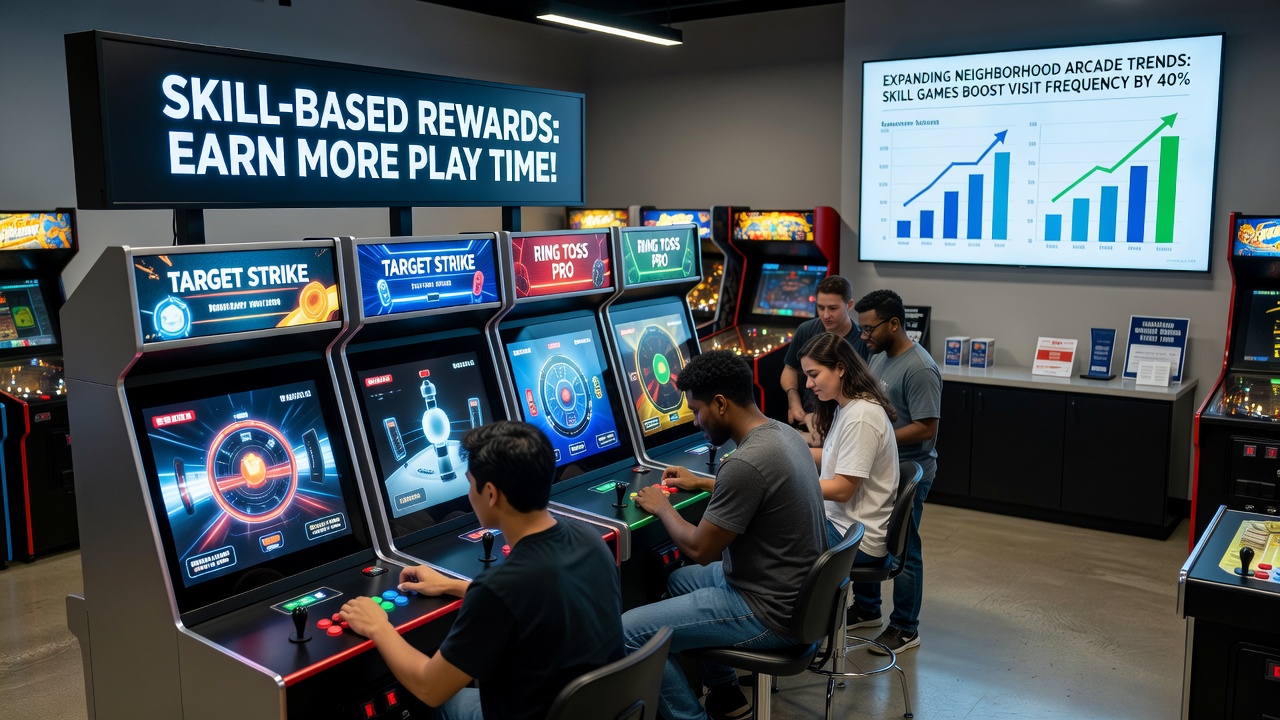
Expanding markets in Asia and parts of Eastern Europe have seen particularly strong uptake, with regulatory adjustments in 2025 and 2026 enabling more locations to host these games. According to reports compiled by the American Gaming Association, cross-border operator networks have shared best practices that accelerate adoption in newer jurisdictions. Academic analyses from research institutions in Australia highlight how skill elements can extend average dwell time by 15 to 30 minutes per visit when properly integrated with surrounding amenities like food service or viewing areas.
Those who monitor floor performance data point out that skill-based units often generate steadier revenue streams because they attract a wider demographic, including younger adults who view the games as entertainment challenges. Neighborhood venues capitalize on this by rotating titles seasonally and hosting small events that generate organic word-of-mouth promotion. Evidence from regulatory filings in Canadian provinces undergoing similar expansions reveals parallel trends where retention metrics improve once skill components enter the mix.
Operational Adjustments and Future Considerations
Venues adapting to these changes frequently retrain staff to explain game rules and assist with technical features, which strengthens customer relationships and reduces friction during initial play. Inventory management has grown more sophisticated as operators analyze which skill titles sustain interest over multiple weeks versus those that fade quickly. Partnerships with game developers allow for localized content updates that align with regional preferences, further supporting retention goals in competitive neighborhoods.
Regulatory bodies in several growth markets continue to evaluate how skill classification affects taxation and licensing, yet current frameworks in places like certain Australian states and select U.S. jurisdictions already accommodate hybrid models. This environment encourages experimentation while maintaining compliance standards that protect both operators and players.
Conclusion
Skill-based arcade games continue to influence retention strategies at neighborhood gaming locations throughout expanding markets by shifting focus toward interactive engagement and performance-based rewards. Operators who implement data-informed programs around these titles document sustained increases in visit frequency and session length, while broader industry figures reveal ongoing adaptation across multiple regions. As markets mature, the integration of such games with loyalty systems and community events appears likely to remain a central tactic for maintaining competitive positioning at the local level.