Reward Adjustments Transform User Interaction Dynamics on Digital Gaming Platforms in Emerging Regulatory Markets
Rafael Hughes · Aug 23, 2026
Reward Adjustments Transform User Interaction Dynamics on Digital Gaming Platforms in Emerging Regulatory Markets
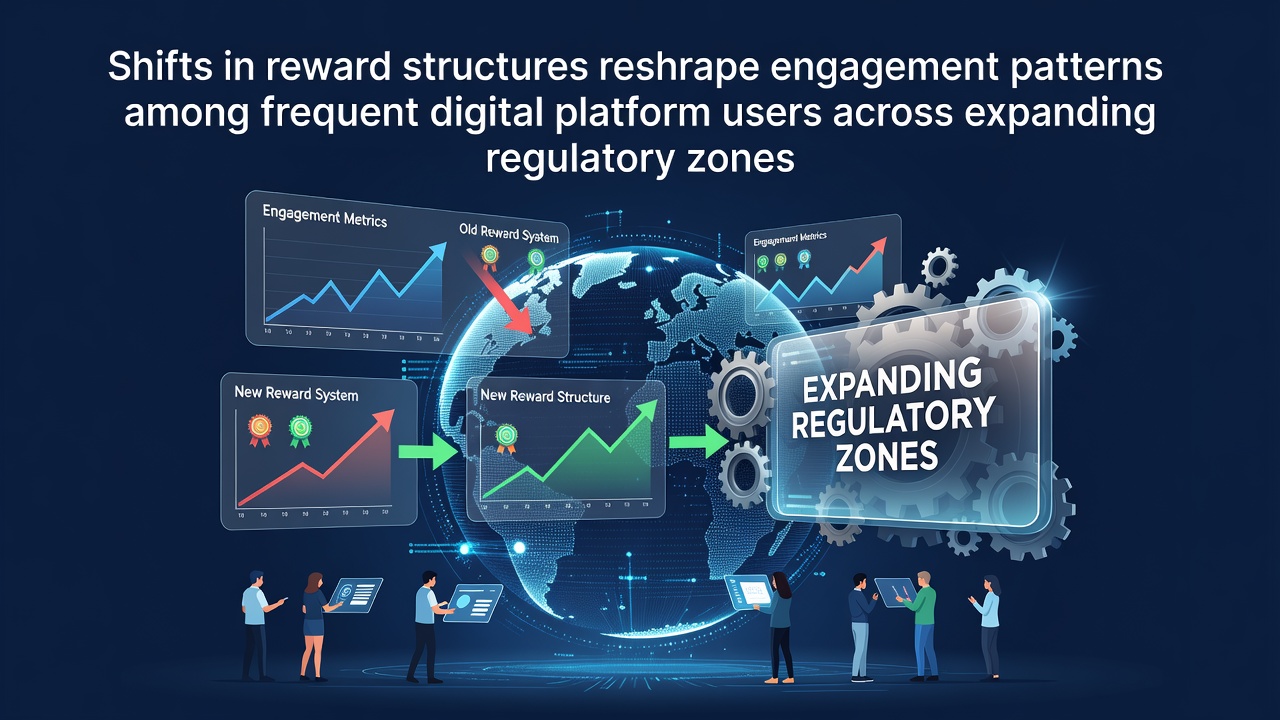
Digital platforms operating in newly regulated markets have adjusted their reward structures over the past year, and these modifications coincide with measurable shifts in how frequent users interact with the sites. Platforms now tie bonus eligibility more closely to verified activity thresholds rather than simple deposit volume, which has altered session lengths and deposit frequency among regular participants according to aggregated operator reports filed with state regulators.
Regulatory Expansion Sets New Parameters
States that introduced licensing frameworks in 2025 and early 2026 require operators to document how promotional offers meet consumer protection standards, and this documentation process has prompted many companies to replace flat-rate welcome bonuses with tiered loyalty systems that scale with verified play. Data compiled through August 2026 shows that platforms in these jurisdictions report a 12 percent reduction in repeat deposit attempts within the first 30 days after a user reaches a new reward tier, while time spent per session has increased by an average of eight minutes among those who remain active past the initial month.
Regulators in multiple jurisdictions now mandate clearer disclosure of wagering requirements attached to rewards, and operators have responded by embedding these details directly into the user dashboard rather than in separate terms pages. One analysis of filing records from the New Jersey Division of Gaming Enforcement indicates that such transparency measures correlate with fewer support tickets related to bonus disputes, yet overall account activity among high-frequency users has become more selective rather than uniformly higher or lower.
Engagement Metrics Reveal Pattern Changes
Frequent users across expanding regulatory zones exhibit distinct responses once reward structures emphasize sustained play over rapid volume. Platforms record higher completion rates for multi-week challenges that distribute smaller incremental rewards, whereas single large bonuses tied to high deposit thresholds see lower uptake once users understand the attached playthrough obligations. Researchers tracking anonymized session data note that users who previously concentrated activity on weekends now spread smaller sessions across weekdays when loyalty points accrue at accelerated rates during off-peak hours.
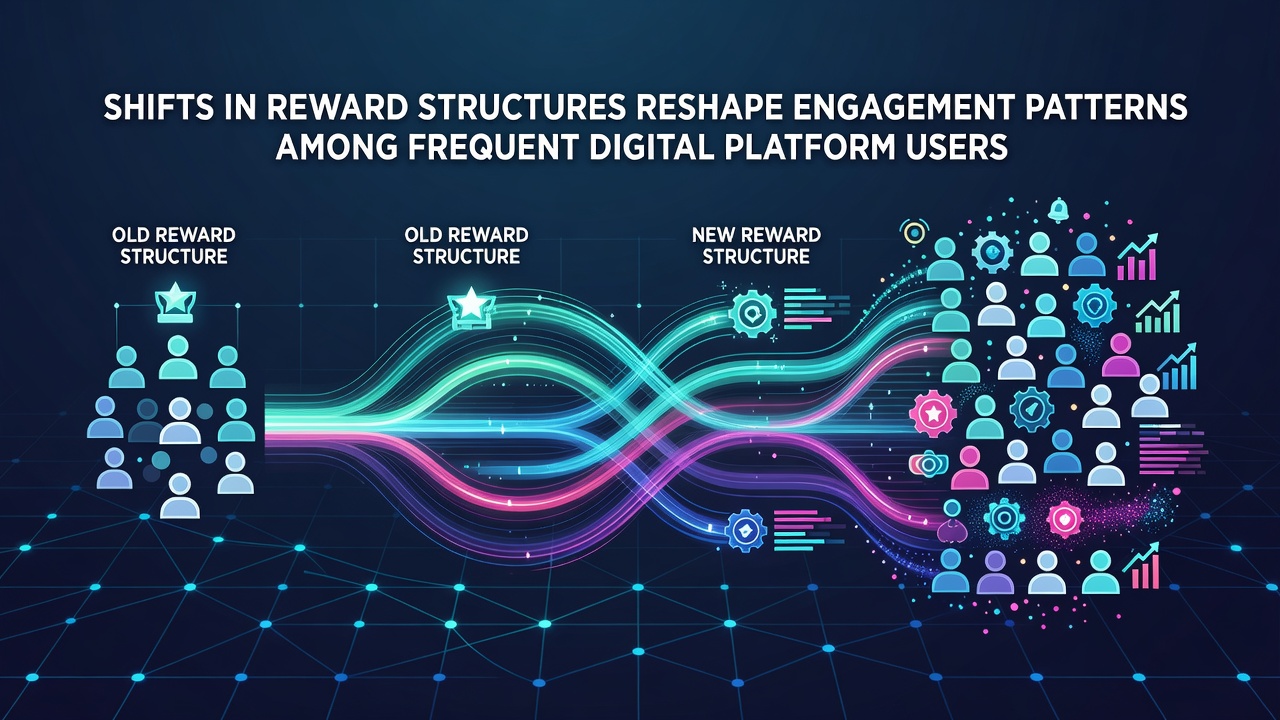
Cross-jurisdiction comparisons compiled by the Canadian Gaming Association reveal similar trends in provinces that updated their iGaming regulations during the same period. Operators there report that users who maintain consistent weekly activity qualify for personalized reward multipliers at rates 18 percent higher than in the prior regulatory environment, and these users show reduced migration to unregulated sites even when tax rates on winnings differ between locations.
Operator Adaptations and Data Tracking
Companies have invested in real-time tracking systems that adjust available rewards based on individual play patterns while remaining compliant with each jurisdiction's rules. These systems flag accounts that show sudden spikes in activity after a new promotion launches and automatically apply cooling periods or additional verification steps as required. Figures released through industry filings indicate that such automated safeguards have reduced the incidence of reward-related account closures by 9 percent year-over-year in markets that implemented them by mid-2026.
Academic reviews from institutions such as the University of Nevada, Las Vegas International Gaming Institute have examined how these adjustments affect long-term retention. Their preliminary findings suggest that users exposed to graduated reward ladders maintain accounts longer than those offered only threshold-based bonuses, although average revenue per active user stabilizes rather than grows once the initial novelty of the new structure fades.
Cross-Border User Behavior Observations
Users who access platforms across multiple regulated markets encounter varying reward frameworks that reflect local oversight priorities, and many adjust their engagement accordingly. Those who previously chased the largest available sign-up offers now weigh ongoing loyalty benefits and withdrawal speed against promotional size. Records from the Malta Gaming Authority show that accounts registered after regulatory updates in 2025 demonstrate steadier month-to-month activity compared with earlier cohorts, even as total bonus value distributed per account has declined slightly.
Platforms continue to refine these structures in response to both regulatory feedback and observed user patterns. The changes appear driven by compliance needs and operational data rather than any single policy directive, and the resulting engagement shifts remain measurable across expanding regulatory zones through the close of summer 2026.
Conclusion
Shifts in reward structures continue to influence how frequent users interact with digital platforms as regulatory coverage widens. Available data from operator filings, regulatory bodies, and academic tracking projects indicate that engagement patterns have become more selective and sustained in several key markets. Operators maintain these adjustments through ongoing system refinements that balance compliance requirements with observed user responses, and the resulting metrics provide a clear record of how reward design and regulatory expansion intersect in practice.