Regulatory adjustments in tribal gaming compacts reshape revenue sharing models for participating communities in western states
Theo Wagner · Jun 2, 2026
Regulatory adjustments in tribal gaming compacts reshape revenue sharing models for participating communities in western states
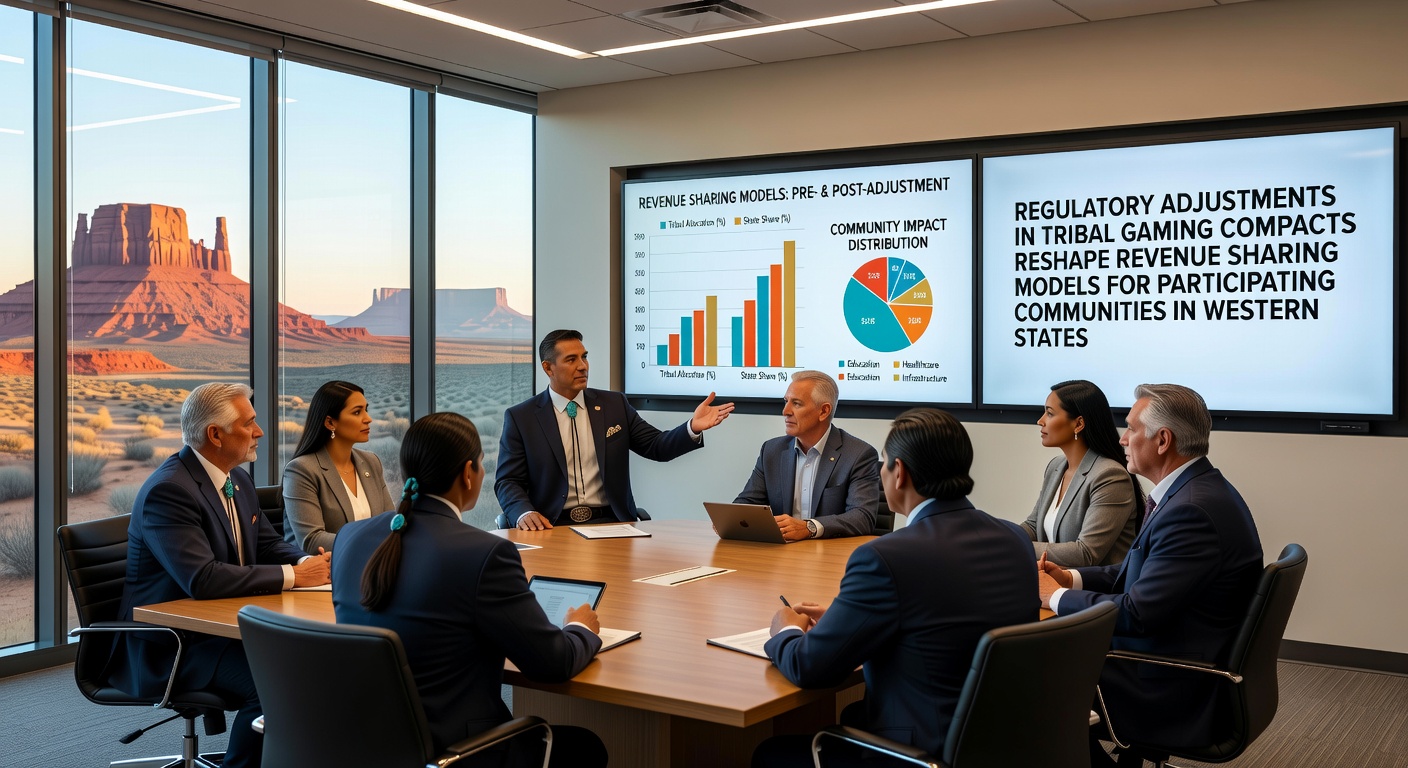
Regulatory adjustments to tribal gaming compacts have altered revenue sharing arrangements across several western states, where tribes operate casinos under agreements with state governments that now incorporate updated formulas for distributing portions of gaming proceeds to local communities and state programs. These changes emerged from renegotiations that began intensifying in late 2025 and carried into mid-2026, driven by shifts in gaming revenues and evolving state budget priorities. Data from state regulatory bodies shows that participating tribes in California, Arizona, Washington, and New Mexico have adjusted payment structures, with some models moving from fixed percentages of slot machine revenue to tiered systems that factor in overall net win and community investment requirements.
Background on Tribal Gaming Compacts in the West
Tribal-state compacts under the Indian Gaming Regulatory Act establish the legal framework for casino operations on sovereign tribal lands, and western states host a significant share of these facilities because large tribal populations and established gaming markets exist in the region. Compacts typically specify the number of gaming devices allowed, regulatory oversight mechanisms, and revenue sharing terms that direct a percentage of earnings toward state education funds, local infrastructure, or tribal community services. Researchers at institutions such as Arizona State University have documented how these agreements evolved since the 1990s, with early models focusing primarily on exclusivity payments that compensated states for granting tribes the right to operate certain games.
By 2025, several states initiated reviews of existing compacts because revenue patterns had changed following the expansion of sports betting and online gaming options, which created competition for tribal facilities. The National Indian Gaming Commission reported that western tribes generated over $12 billion in gaming revenue during fiscal year 2025, yet distribution formulas had not kept pace with new operational costs including labor, technology upgrades, and regulatory compliance. Observers note that states sought greater flexibility in how shared funds could be allocated, while tribes advocated for models that preserved more revenue for reservation-based economic development projects.
Key Adjustments Implemented in 2026
In June 2026, the California Gambling Control Commission approved amendments to multiple compacts that introduced a revenue sharing model based on a sliding scale tied to annual net gaming revenue thresholds, replacing the previous flat 10-15 percent contributions that many tribes had paid since 2000. Similar updates occurred in Washington state, where the Washington State Gambling Commission finalized agreements with several tribes that now require contributions to a dedicated fund supporting rural broadband expansion in addition to traditional education allocations. Arizona's Department of Gaming implemented parallel changes that allow tribes to offset a portion of revenue sharing obligations through direct investments in off-reservation community health initiatives, a provision that took effect on June 15, 2026.
These adjustments reflect broader trends documented in reports from the Western States Gaming Association, which tracked how states balanced budget needs against the economic contributions tribes make through employment and tourism. One study released by the University of New Mexico in early 2026 analyzed compact data across four states and found that revised models reduced the average revenue share paid by tribes from 12.8 percent to 9.4 percent of net win in exchange for increased transparency reporting and performance-based incentives. The new structures also incorporate inflation adjustments and provisions for renegotiation triggers if gaming revenues fluctuate beyond specified ranges.
Impacts on Participating Communities
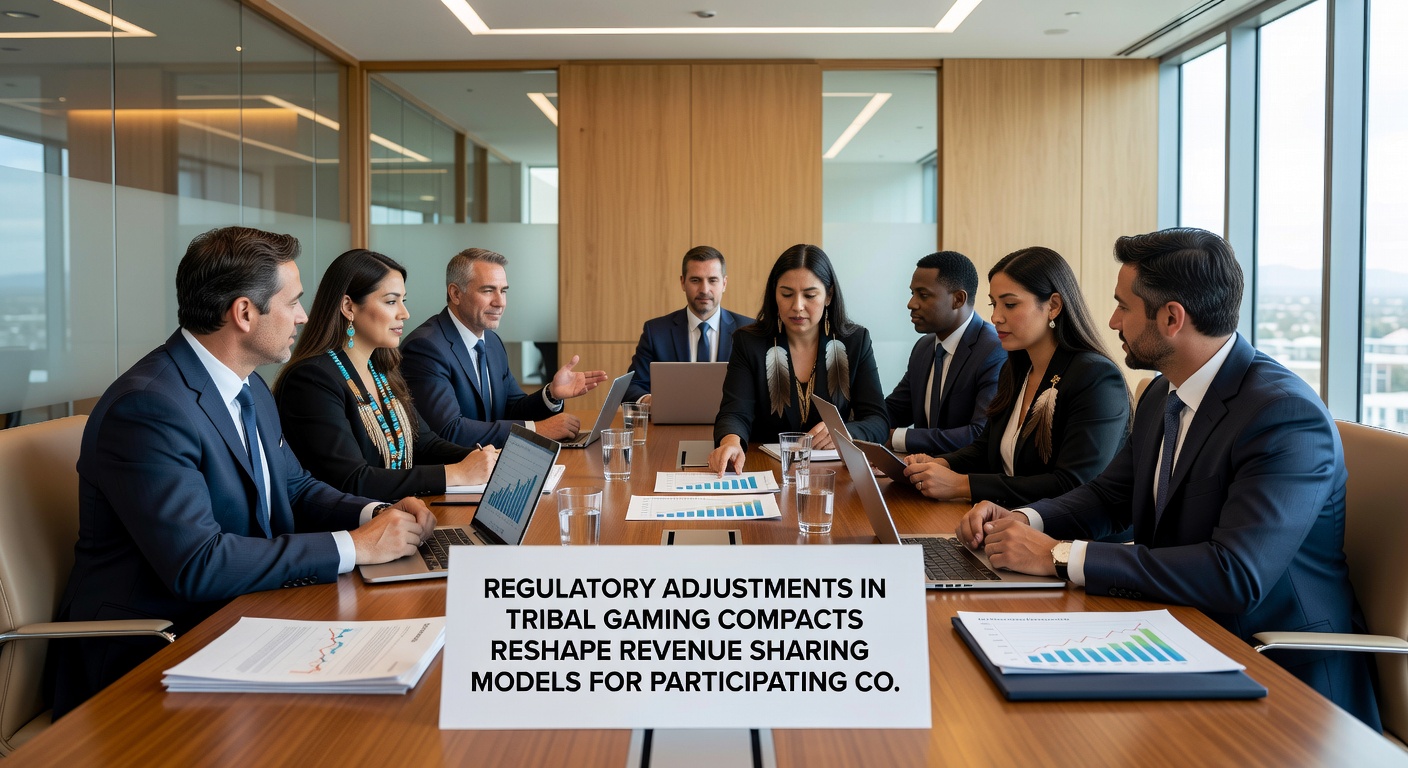
Communities located near tribal gaming facilities have experienced shifts in how shared revenue supports local projects, with funds now directed toward specific priorities such as school construction, emergency services, and environmental restoration efforts outlined in the updated compacts. In New Mexico, for example, several pueblos redirected portions of their contributions under new formulas to joint ventures with county governments for water infrastructure improvements, a change that became operational after compact amendments cleared state review in spring 2026. State records indicate that total contributions from tribal gaming to western state programs reached approximately $1.8 billion in the most recent reporting period, though the percentage allocated to non-tribal recipients declined slightly under the revised models.
Those who have examined the outcomes note that tribes gained greater autonomy to allocate remaining revenues toward reservation housing and education programs, which in turn generated measurable increases in local employment according to figures compiled by the Inter-Tribal Council of Arizona. The adjustments also introduced auditing requirements that standardize reporting across jurisdictions, reducing discrepancies that had previously complicated multi-state compact compliance for tribes operating facilities in more than one state. Data released by state agencies in June 2026 showed that participating communities received targeted grants for youth programs and substance abuse prevention initiatives funded through the updated sharing mechanisms.
Future Considerations for Compact Negotiations
Negotiations continue in several western states as additional tribes seek compact renewals that incorporate lessons from the 2026 adjustments, with particular attention to emerging gaming technologies and their potential effects on revenue projections. Regulatory bodies have signaled that future models may include provisions for digital gaming integration and environmental sustainability metrics, reflecting ongoing dialogue between tribal representatives and state officials. Research indicates that these evolving frameworks aim to maintain stable funding streams while adapting to economic variables that affect both tribal operations and surrounding communities.
Conclusion
The regulatory adjustments to tribal gaming compacts have produced new revenue sharing models that redistribute portions of gaming proceeds across western states while granting tribes additional flexibility in how they meet community investment commitments. Figures from state and federal sources confirm that these changes took concrete form during the first half of 2026, affecting allocation patterns for education, infrastructure, and health programs in participating regions. Continued monitoring by regulatory agencies and academic researchers will track the long-term effects on both tribal economies and the communities that benefit from the shared funds.