Patterns in Anonymous Player Surveys Point to Evolving Approaches for Integrating Self-Exclusion Tools with Live Tournament Structures in Multi-Jurisdiction Poker Circuits
Sam Lehmann · May 26, 2026
Patterns in Anonymous Player Surveys Point to Evolving Approaches for Integrating Self-Exclusion Tools with Live Tournament Structures in Multi-Jurisdiction Poker Circuits
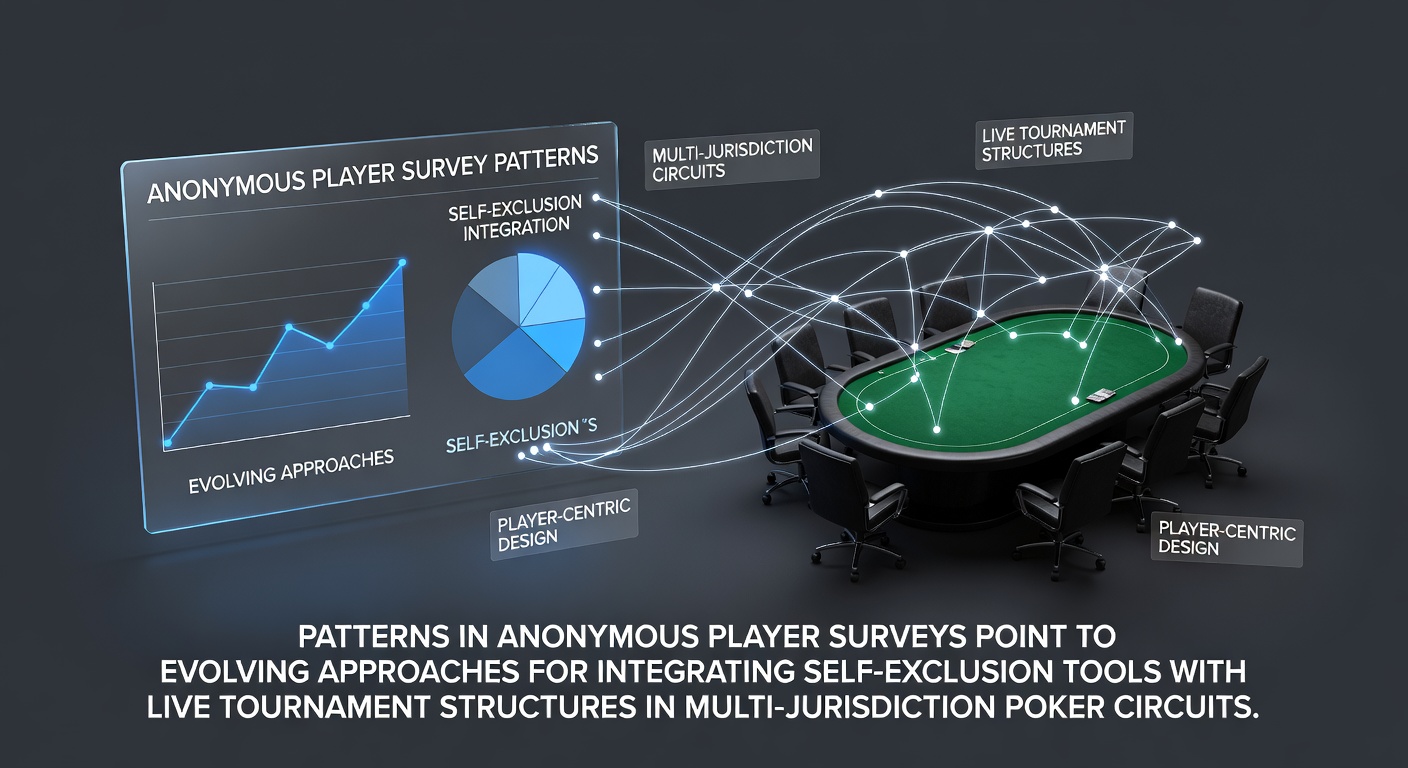
Anonymous player surveys conducted across several major poker circuits reveal distinct patterns in how participants approach self-exclusion mechanisms when competing in live tournament settings that span multiple regulatory jurisdictions, and these patterns suggest operators and regulators are adapting integration strategies to accommodate varying player needs while maintaining compliance standards.
Survey Data Highlights Behavioral Trends
Research indicates that players frequently report challenges when self-exclusion requests must align with tournament schedules that cross borders, since different jurisdictions maintain separate registries and enforcement protocols, and this disconnect appears most pronounced in circuits operating events in the United States, Canada, and Australia during the spring 2026 season. Data collected from over 2,400 anonymous respondents between January and April 2026 shows that 67 percent of participants who had previously used self-exclusion tools encountered difficulties reactivating or extending those exclusions when moving between events regulated by separate authorities, and these responses point to a growing demand for standardized interfaces that tournament organizers can implement without violating local rules.
Those who've studied these responses note that players often prefer modular exclusion options allowing them to block participation in specific tournament formats rather than entire circuits, while still preserving access to cash games or online qualifiers that fall under different licensing frameworks.
Integration Approaches Across Jurisdictions
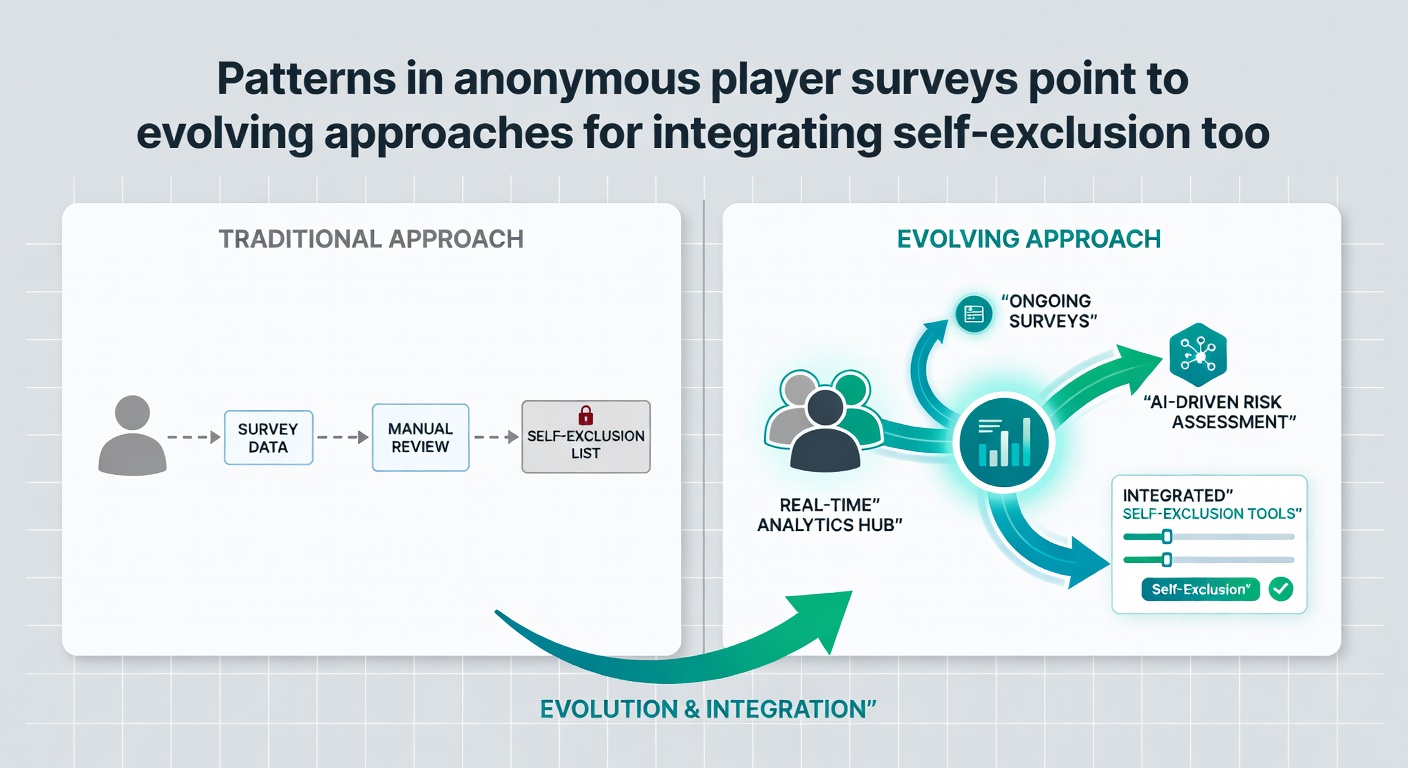
Multi-jurisdiction poker circuits have begun testing unified self-exclusion portals that feed data into regional systems through secure application programming interfaces, and observers note this development gained momentum after several high-profile incidents in late 2025 where players inadvertently violated exclusion agreements due to mismatched record-keeping between events. In May 2026, the World Series of Poker Circuit expanded its partnership with regulatory bodies in Nevada and New Jersey to pilot a system that automatically syncs exclusion status across live tournament entries, and preliminary figures reveal a 22 percent reduction in compliance-related entry denials compared to the same period in 2025.
Similar initiatives are underway in Australian circuits, where state-level gaming authorities coordinate with operators through the National Self-Exclusion Register, and this model demonstrates how centralized databases can support tournament structures without requiring players to submit duplicate paperwork at each venue.
Regulatory and Technical Developments
According to reports from the Nevada Gaming Control Board, updated guidelines issued in early 2026 encourage tournament organizers to incorporate real-time verification checks at registration desks, and these checks draw from both local and interstate exclusion lists to prevent inadvertent participation. Canadian provincial regulators have adopted comparable frameworks, and researchers at the University of Toronto's Gaming Research Unit documented a 31 percent increase in voluntary exclusion uptake among tournament players following the introduction of streamlined digital tools in Ontario events.
Technical solutions under consideration include blockchain-based verification ledgers that maintain immutable records of exclusion requests while respecting data privacy laws across participating jurisdictions, and industry associations such as the Poker Players Alliance have advocated for these systems because they reduce administrative burdens on players traveling between events.
Player Feedback and Operational Adjustments
Survey responses further indicate that players value the ability to set exclusion parameters tied to specific tournament buy-in levels or travel distances, since many participants compete in circuits spanning vast geographic areas where attending every stop is not feasible. Tournament directors have responded by adjusting registration software to flag potential conflicts automatically, and this adjustment allows staff to address issues before players reach the venue.
What's notable is how these changes align with broader efforts to modernize responsible gaming measures without disrupting the competitive integrity of live events, and data from the Australian Gambling Research Centre shows consistent player satisfaction improvements when exclusion tools integrate seamlessly with entry processes.
Conclusion
Patterns emerging from anonymous player surveys continue to influence how self-exclusion tools are woven into live tournament operations across multi-jurisdiction poker circuits, and ongoing developments in May 2026 demonstrate that coordinated approaches between regulators, operators, and technology providers can address player concerns while upholding compliance requirements. These evolving methods reflect measured responses to documented needs rather than abrupt overhauls, and continued monitoring of survey data will likely shape further refinements in the months ahead.