Interstate Casino Data Pacts Drive Changes in Regional Player Flows
Theo Wagner · Jul 21, 2026

Interstate Casino Data Pacts Drive Changes in Regional Player Flows
State gaming commissions have expanded data sharing agreements that connect player activity records across multiple jurisdictions, and these pacts now influence how patrons travel between regional casino markets in the United States. The arrangements allow regulators in neighboring states to exchange information on player identification, wagering volumes, and loyalty program participation, which in turn shapes marketing strategies and operational decisions at individual properties. Data indicates that such exchanges began gaining momentum in late 2025, with additional pacts finalized during the first half of 2026.
Mechanics of Cross-Border Data Exchanges
Agreements typically require participating commissions to transmit anonymized and identified player data through secure channels, while each state maintains its own oversight protocols. Commissions in states such as Nevada, New Jersey, and Pennsylvania have coordinated on standardized data formats that include visit frequency, average bet size, and game preferences. These shared datasets enable casinos to identify patterns where players from one market frequently cross into another, and operators adjust promotions accordingly to retain or attract those individuals. Researchers at several universities have documented how this coordination reduces duplicate marketing efforts and increases targeted offers based on verified activity from adjacent regions.
Observed Shifts in Patron Visitation Patterns
Player movement between regional markets shows measurable changes following the rollout of these agreements. In markets along the Northeast corridor, for instance, data from 2026 reveals a 12 percent increase in cross-state visits compared with teh prior year, while certain Midwest corridors report declines in one-directional travel as operators use shared insights to launch retention campaigns. The adjustments occur because casinos receive earlier notice of player activity elsewhere, allowing them to respond with personalized incentives before patrons establish new routines in competing jurisdictions. Figures from regulatory filings demonstrate that properties in Pennsylvania gained incremental visits from New Jersey residents after data exchanges highlighted overlapping loyalty profiles, whereas some Atlantic City venues adjusted pricing structures to compete more directly with nearby Delaware options.
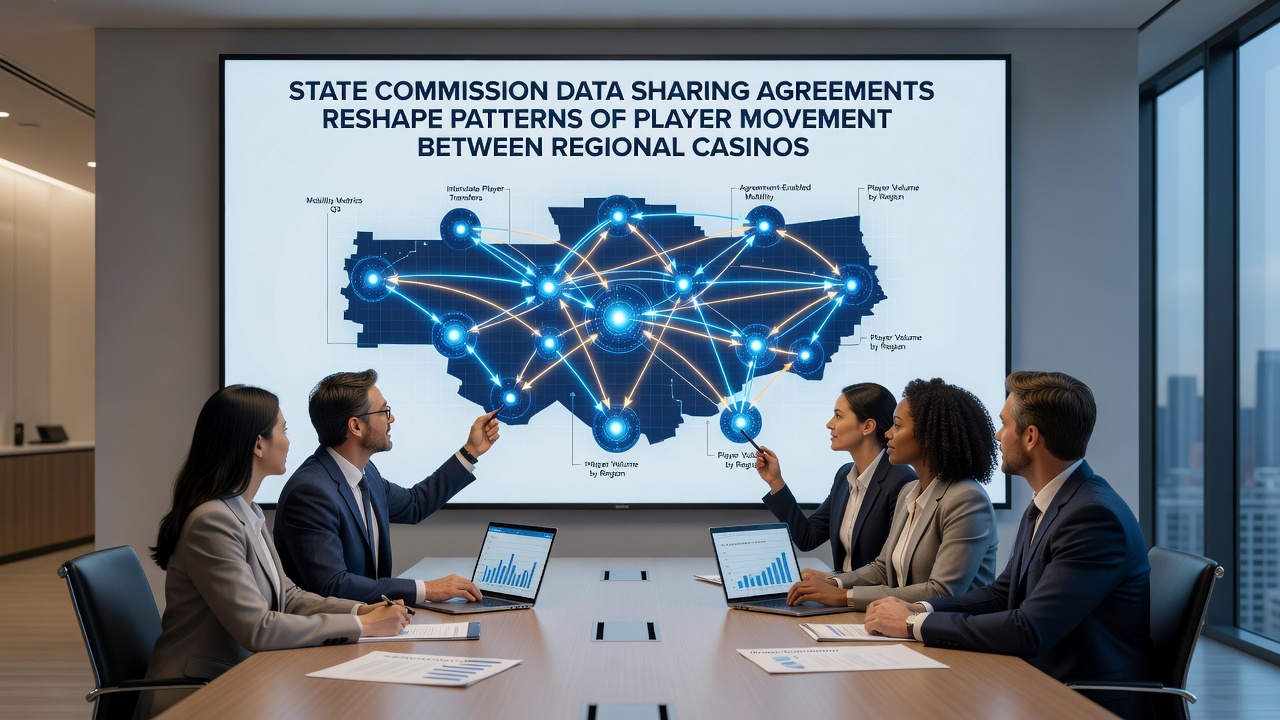
Additional examples appear in the Southwest, where Arizona and New Mexico commissions began exchanging records in spring 2026. Observers note that tribal properties in both states experienced altered foot traffic, with some locations seeing reduced repeat visits from out-of-state players who previously traveled regularly. The shared data allowed operators to identify high-value patrons and extend offers that encouraged stays within their home market, and this dynamic contributed to more balanced regional distribution of gaming revenue during the second quarter.
Regulatory and Operational Responses Through Mid-2026
By July 2026 several additional states had signaled intent to join existing frameworks or establish new bilateral agreements. The National Indian Gaming Commission has issued guidance encouraging tribal regulators to align their data protocols with state counterparts where overlapping markets exist. Industry reports from the American Gaming Association highlight that operators now allocate greater resources to compliance teams responsible for managing data flows, while marketing departments rely on aggregated insights to time promotions that coincide with known travel periods. One study released by researchers at the University of Nevada, Las Vegas examined transaction logs from 2025 through early 2026 and found that properties using shared data reduced customer acquisition costs by an average of 8 percent in connected markets.
Yet implementation varies. Some commissions limit exchanges to problem gambling indicators, whereas others transmit broader behavioral metrics. This variation produces different effects on player movement depending on the scope of each agreement. States that share more comprehensive datasets tend to see faster adjustments in visitation, while narrower exchanges produce slower, more localized shifts.
Implications for Loyalty Programs and Marketing
Loyalty programs have adapted to the new information environment. Casinos now cross-reference shared records when determining tier status or bonus eligibility, and players who split activity across borders sometimes receive unified offers that previously would have required separate enrollments. This integration reduces friction for patrons but also concentrates rewards among those whose combined activity meets thresholds in multiple jurisdictions. Data from operator filings shows increased use of geo-targeted digital campaigns that reference recent visits to properties in adjacent states, a tactic that emerged more prominently after the 2026 agreement expansions.
Conclusion
State commission data sharing agreements continue to modify how players move between regional casino markets by supplying operators with timely, verified information on cross-border activity. The resulting changes appear in visitation statistics, marketing expenditures, and loyalty program structures across multiple corridors. As additional jurisdictions finalize pacts and refine data standards, further adjustments in regional player flows are expected through the remainder of 2026 and beyond. Nevada Gaming Control Board and similar agencies maintain public records that track these developments, while academic analyses provide ongoing measurement of the effects on market dynamics.