How Wearable Device Metrics Guide Customized Wagering Recommendations in Regulated Mobile Betting Ecosystems
Sam Lehmann · Jun 23, 2026
How Wearable Device Metrics Guide Customized Wagering Recommendations in Regulated Mobile Betting Ecosystems
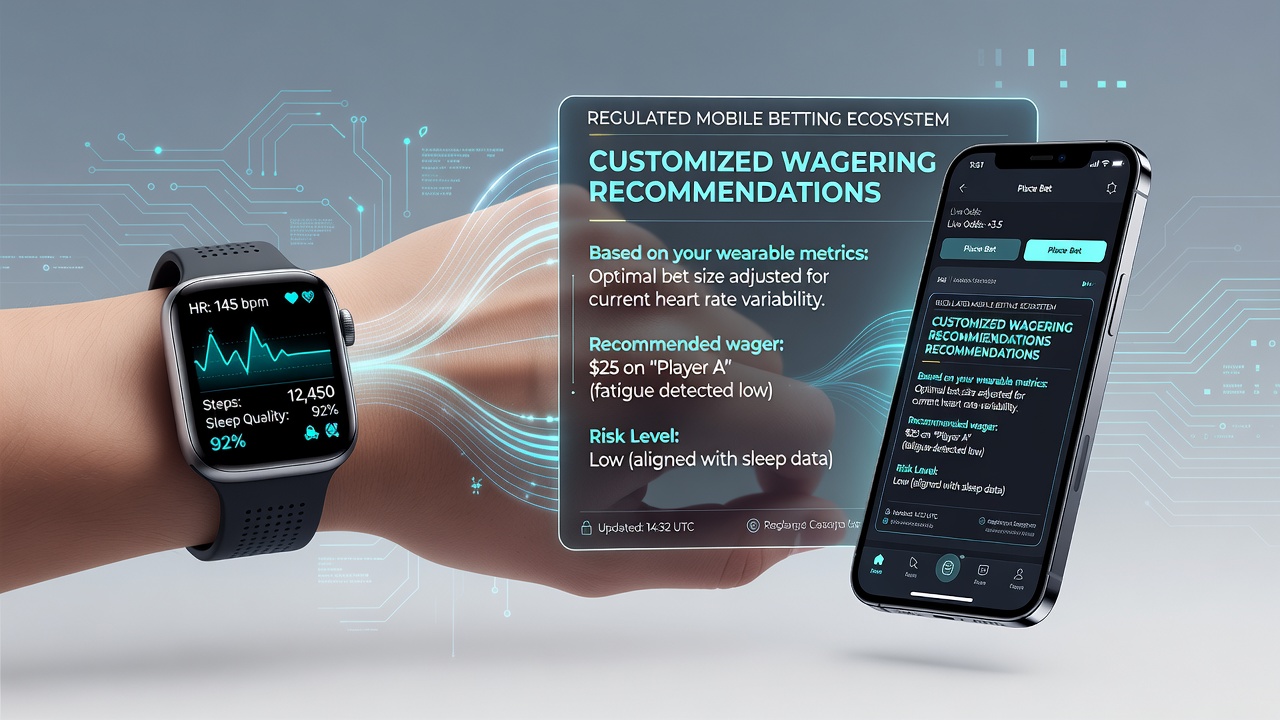
Regulated mobile betting platforms now pull data from user-approved wearable devices to refine wager suggestions, and this process relies on metrics like heart rate variability, sleep duration, and daily step counts. Operators in states with active licensing frameworks integrate these signals through secure APIs, which allows systems to adjust bet types or stake levels based on patterns detected in the incoming information. Data indicates that heart rate spikes during live events sometimes correlate with shifts in user decision speed, prompting teh platform to surface lower-volatility options when readings exceed baseline thresholds.
Data Streams from Consumer Devices
Modern fitness bands and smartwatches capture continuous streams that include resting heart rate, oxygen saturation levels, and movement intensity throughout the day. When users grant explicit permission inside a licensed app, these readings flow into backend models that compare current values against historical profiles for the same account. Researchers at several academic institutions have documented how elevated overnight stress markers, measured via heart rate variability, often precede more conservative betting behavior in subsequent sessions. Platforms therefore surface recommendations such as smaller parlay sizes or focus on familiar markets when those markers appear.
Step counts and active minutes also factor into the calculations. A user who logs unusually high physical activity on game day might receive prompts toward prop bets tied to player endurance, whereas lower activity days trigger suggestions around total points or set-piece outcomes. These adjustments occur within the boundaries set by state gaming commissions, which require clear disclosure of data usage and allow users to revoke access at any moment.
Algorithmic Matching of Metrics to Wager Types
Recommendation engines apply machine learning layers that treat wearable outputs as additional input features alongside traditional variables like historical win rates and market odds. One study published by a Canadian research consortium found that combining biometric signals with location data improved the precision of suggested bet sizes by measurable margins across tested user cohorts. The models flag situations where fatigue indicators rise and then deprioritize high-stakes live bets in favor of pre-match selections that require less real-time monitoring.
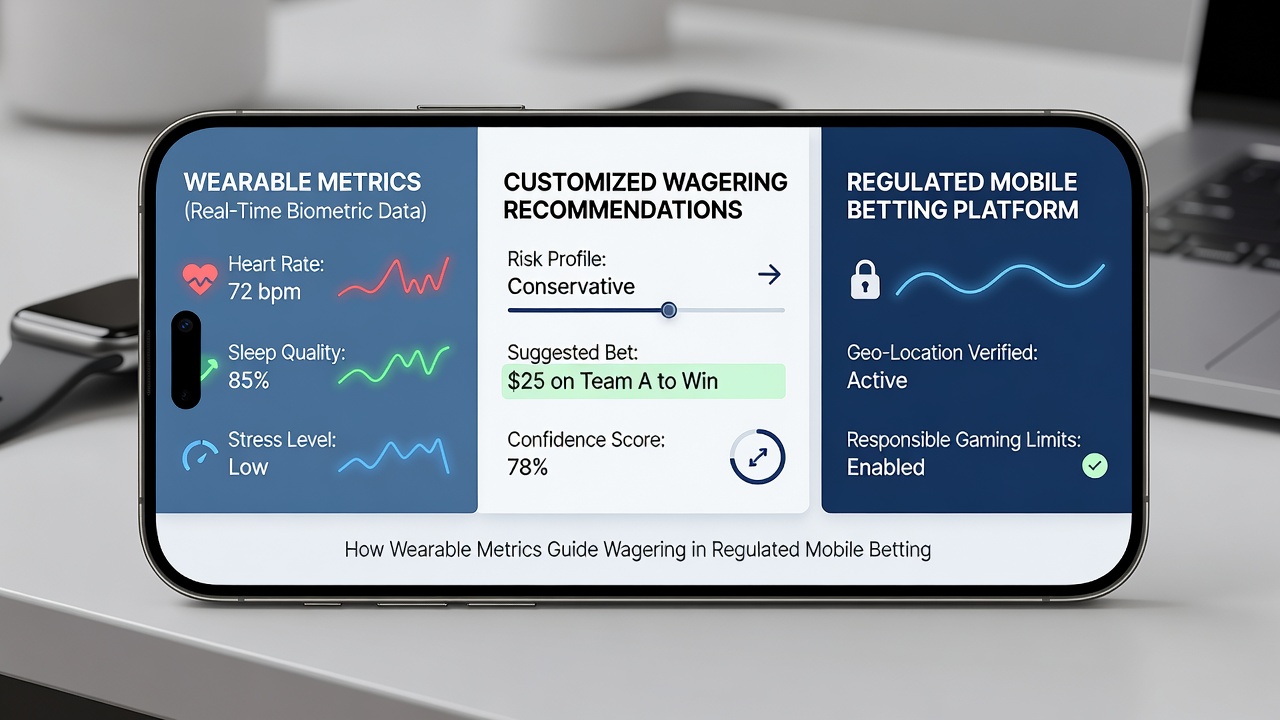
Operators test these systems in controlled environments before wider rollout. In June 2026 several multistate operators expanded pilot programs that link wearable feeds directly to responsible gambling dashboards, allowing automatic stake caps when recovery metrics fall below established norms. The approach keeps all processing inside encrypted channels that meet standards from bodies such as the Nevada Gaming Control Board and similar agencies in other jurisdictions.
Compliance Frameworks and User Controls
Every integration must satisfy audit requirements that verify consent logs and data minimization practices. Platforms retain only aggregated summaries for model training while deleting raw biometric streams after a defined retention window. Observers note that this structure aligns with emerging rules in multiple U.S. states that treat health-related inputs as sensitive categories requiring additional safeguards. Users receive in-app notices each time a new metric category becomes available for recommendation tuning, and they can toggle individual feeds without affecting core account functionality.
Cross-border operators maintain separate data silos for each licensed market so that recommendations comply with the strictest applicable standard in that region. Figures released by industry trade groups show steady growth in the number of accounts opting into at least one wearable connection during the first half of 2026, with the highest adoption rates appearing in states that already mandate detailed responsible gambling disclosures.
Practical Implementation Examples
Take one operator that partnered with a major wearable manufacturer to create an opt-in portal inside its sports betting application. After linking devices, the system began detecting consistent late-night activity patterns and adjusted its push notifications accordingly, reducing frequency during typical sleep windows. Another platform serving multiple jurisdictions routes biometric signals through third-party analytics firms that specialize in anonymized aggregation, ensuring no single user profile can be reconstructed from the processed outputs.
These examples illustrate how the technology operates without overriding user autonomy. Every recommendation remains advisory, and bet placement always requires explicit confirmation through the app's standard interface. Regulatory filings from participating states confirm that no operator has received penalties tied to wearable data handling practices through the end of the second quarter of 2026.
Conclusion
Wearable device metrics now form one component within broader recommendation systems that licensed mobile betting operators deploy under active regulatory oversight. The process centers on consented data flows, algorithmic matching, and ongoing compliance checks that keep personalization within defined legal limits. As device capabilities continue to expand, platforms update their models to incorporate new signals while preserving user control and jurisdictional requirements.