How Virtual Reality Poker Rooms Are Transforming Strategy Practice for Players in Low-Pressure Settings
Amir Albrecht · May 22, 2026
How Virtual Reality Poker Rooms Are Transforming Strategy Practice for Players in Low-Pressure Settings
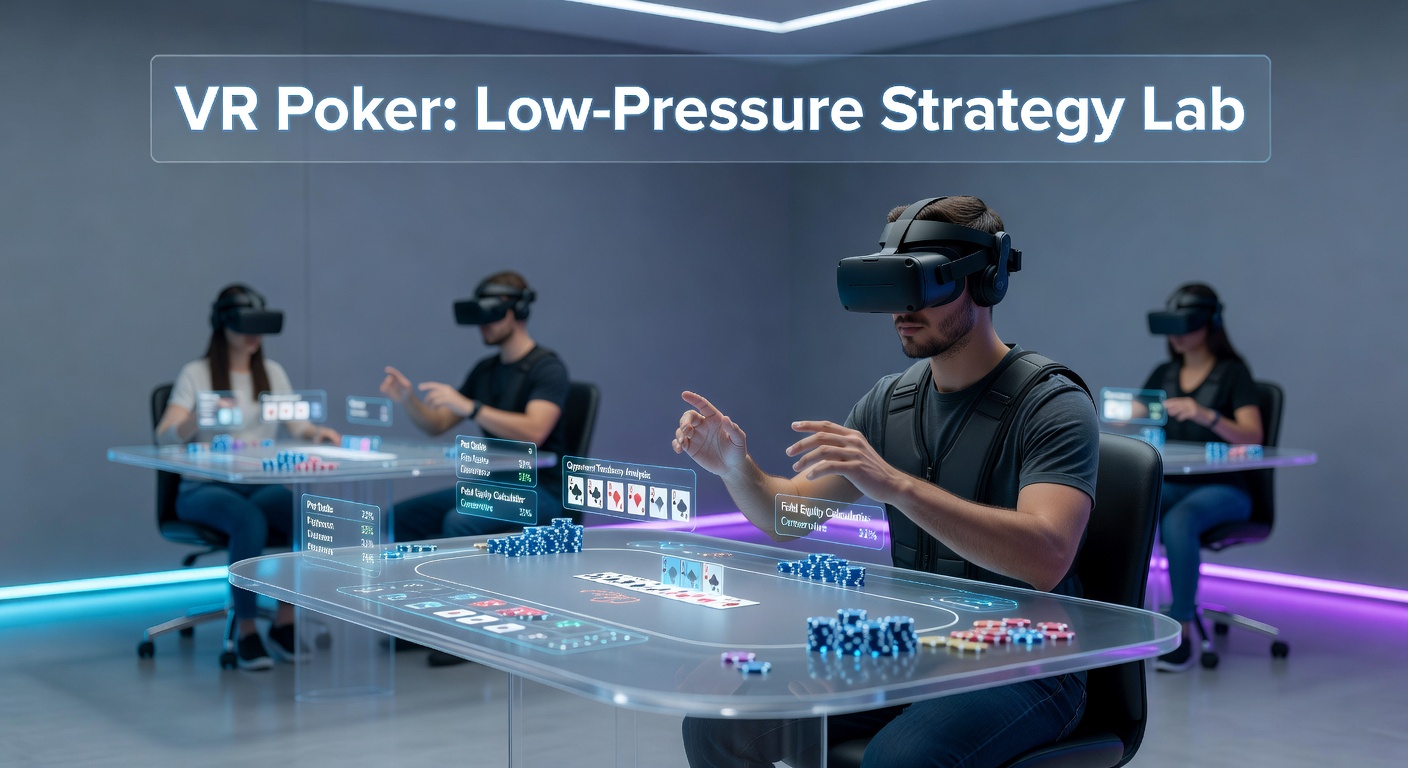
Virtual reality poker rooms have gained traction among players who want to refine their skills without the immediate financial risks that come with live or online cash games, and data from industry reports shows steady growth in VR platform usage through early 2026. These environments recreate the sights and sounds of a physical casino while allowing participants to experiment with different approaches at their own pace, which researchers note helps isolate specific elements like position play and hand reading. In May 2026 developers continue to roll out updates that add more realistic opponent behaviors, giving users access to practice sessions that mirror high-stakes scenarios yet operate in a controlled setting.
Players often discover that VR interfaces let them pause mid-hand to review decisions, something traditional tables rarely permit, and this feature has proven useful for those building foundational strategies before moving into real-money environments. Studies from academic institutions indicate that repeated exposure to simulated pressure situations improves decision speed over time, though results vary based on how frequently individuals engage with the technology. Observers note that the ability to switch between different table sizes and player counts within the same session further accelerates learning curves for beginners and intermediate participants alike.
Key Features Driving Practice Sessions
Modern VR poker platforms incorporate eye-tracking and gesture recognition so users can practice reading subtle cues that appear in live games, and these tools operate without the social consequences that sometimes accompany mistakes at physical tables. Data shows that players who spend several hours per week in these rooms report stronger comfort levels when transitioning to public events, while industry figures reveal increasing integration with training software that logs every action for later analysis. What's interesting is how the low-pressure aspect removes emotional tilt factors, letting participants focus purely on technical adjustments such as bet sizing and bluff frequency across hundreds of simulated hands.
Turn-based modes allow beginners to slow down complex spots and consult strategy databases mid-session, whereas experienced users often choose speed settings that replicate tournament structures with rising blinds. Research indicates that this flexibility supports targeted drills on specific weaknesses, for example isolating river decisions or multi-way pot dynamics, without the need to wait for organic table action. External reports from gaming technology firms highlight that session lengths in VR tend to run longer than typical online play because fatigue from travel or casino noise is eliminated.
Impact on Long-Term Skill Development
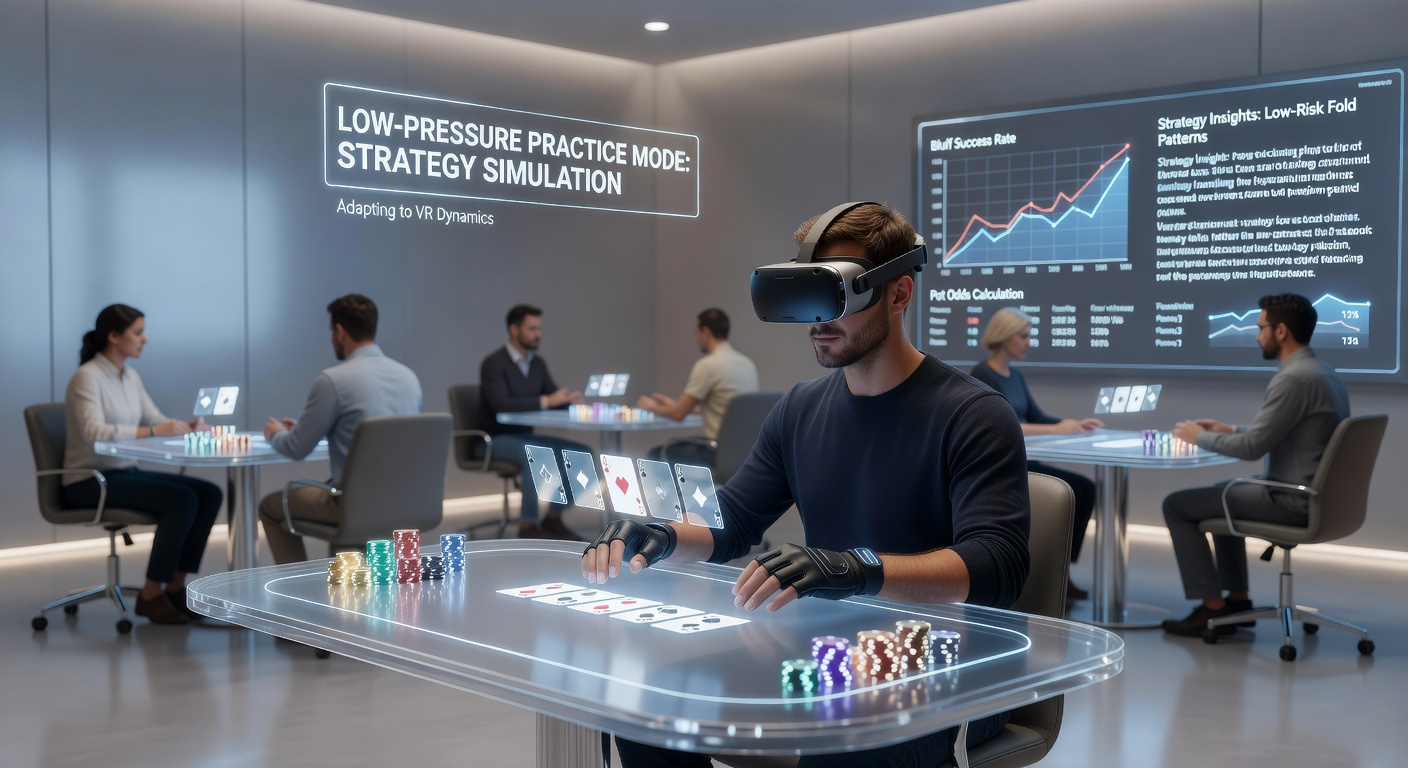
Those who have studied VR adoption patterns point out that consistent practice in these rooms correlates with measurable gains in win rates once players return to real environments, though causation remains under review by multiple research teams. The immersive quality helps reinforce muscle memory for actions like chip handling and timing tells, which carry over when individuals sit down at brick-and-mortar events. In May 2026 several platforms introduced collaborative practice modes where multiple users join the same virtual table for group review sessions, creating opportunities for peer feedback that traditional solo study lacks.
Players seeking low-pressure environments frequently combine VR sessions with tracking software that exports hand histories directly into analysis programs, and this workflow has become standard among serious students of the game. Figures from North American gaming research centers show rising participation numbers among recreational players who previously avoided live poker due to intimidation factors. The reality is that these tools lower the barrier to deliberate practice, allowing focused work on areas such as range construction and exploitation adjustments across varied stack depths.
Current Trends in May 2026
Recent updates have introduced more accurate physics for card dealing and chip movement, which further narrows the gap between virtual and physical experiences according to user surveys conducted by independent labs. Regulatory bodies in several U.S. states have begun reviewing VR poker offerings for compliance standards, yet the practice-focused nature of most rooms keeps them largely outside direct oversight frameworks. University of Nevada Las Vegas studies continue to track how these environments affect skill transfer, while Canadian gaming associations report parallel interest from provincial operators exploring similar technology.
One study revealed that users who logged at least ten hours monthly showed faster adaptation when entering live tournaments compared with control groups relying solely on video study. The ball remains in developers' court to refine AI opponent models so they better represent the wide range of playing styles found in real games, and ongoing refinements address this through machine learning trained on large hand databases.
Conclusion
Virtual reality poker rooms continue to expand options for strategy development by offering repeatable, low-stakes environments that emphasize deliberate practice over financial outcomes. As platforms evolve through May 2026 and beyond, players gain access to increasingly sophisticated tools that isolate and improve specific game elements while minimizing external pressures. Research from varied academic and industry sources demonstrates clear interest in these methods, and integration with existing training resources suggests the trend will persist as hardware becomes more accessible. Those exploring the space find structured opportunities to build experience that translates across formats, supported by data that tracks measurable progress in decision quality and consistency.