How Biometric Verification Systems Are Reshaping Account Security Protocols for Online Wagering Operators
Theo Wagner · May 24, 2026
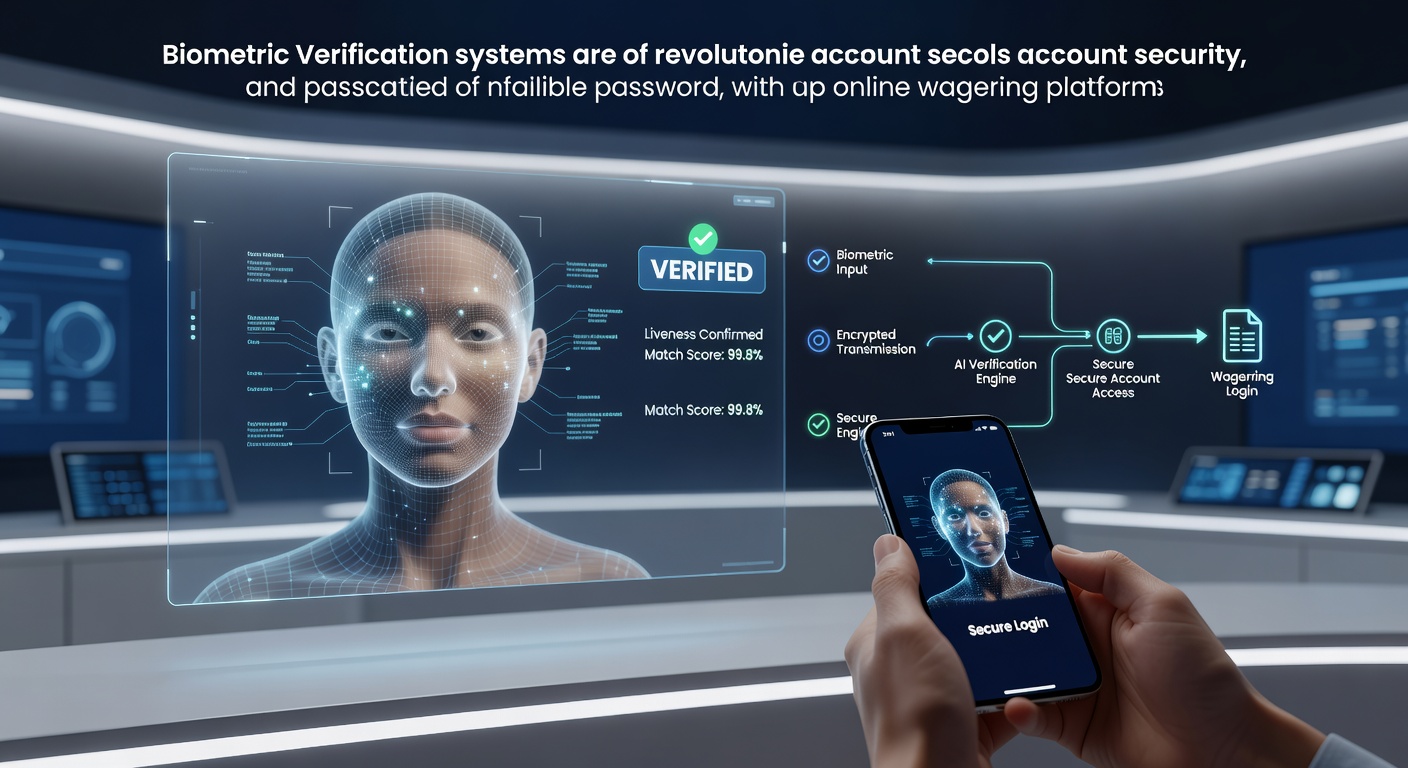
How Biometric Verification Systems Are Reshaping Account Security Protocols for Online Wagering Operators
Online wagering operators have integrated biometric verification into their account security frameworks at an accelerating pace since 2024, with fingerprint, facial recognition, and voice authentication emerging as standard tools across major platforms. These systems replace or supplement traditional password and two-factor methods, allowing operators to confirm user identity through unique physiological or behavioral traits during login, deposits, and high-value transactions. Data from multiple jurisdictions shows that platforms adopting these tools report measurable declines in account takeover attempts, particularly in markets where mobile betting dominates daily activity.
Core Technologies Driving the Shift
Facial recognition software now processes liveness detection to distinguish between a real user and a static image or deepfake attempt, while fingerprint scanners on mobile devices provide seamless access without requiring users to remember complex credentials. Voice biometrics analyze vocal patterns during customer support calls or transaction confirmations, and some operators combine iris scanning with device sensors for added layers during account creation. Research indicates that multi-modal approaches, which layer two or more biometric checks, reduce false acceptance rates more effectively than single-method systems, especially as operators handle increasing volumes of cross-border traffic.
Regulatory Developments and Operator Responses
By May 2026, several North American and Australian regulators required operators to demonstrate enhanced identity verification protocols before approving new market entries or license renewals. The Nevada Gaming Control Board has referenced biometric adoption rates in its compliance reviews, noting that platforms must maintain audit logs of verification events to meet standards for responsible gambling and fraud prevention. In parallel, Australia's state-level gaming authorities have examined how these systems align with existing anti-money laundering frameworks, prompting operators to document consent processes and data retention policies for biometric templates.
One study from the University of Nevada, Las Vegas tracked implementation across a sample of licensed sportsbooks and found that operators using continuous authentication, where biometrics re-verify during session activity, experienced fewer instances of suspicious wagering patterns linked to compromised accounts. Those findings align with reports from iGaming Ontario, which documented similar patterns among its regulated entities during the first quarter of 2026.

Practical Impacts on Fraud Prevention and User Experience
Account takeover incidents often begin with stolen credentials obtained through phishing or data breaches, yet biometric checks interrupt these attempts because physical traits cannot be transferred the same way passwords are shared. Operators report that real-time facial verification during withdrawal requests has cut processing times for legitimate users while flagging anomalies that trigger manual review. The approach also supports age verification requirements in many regions, since facial analysis can estimate age ranges adn cross-reference them with government-issued documents uploaded during onboarding.
Behavioral biometrics add another dimension by monitoring typing rhythms, swipe patterns, and device handling, creating a profile that updates throughout each session. When deviations appear, the system prompts for additional confirmation rather than immediately locking the account, which maintains engagement while protecting funds. Observers note that this balance has become critical as wagering volumes grow and users expect frictionless access across devices.
Technical and Operational Considerations
Storing biometric templates requires encryption methods that prevent reconstruction of original images or recordings, and most platforms now use on-device processing to keep raw data off centralized servers. This architecture reduces exposure during breaches, since templates remain meaningless without the matching live input. Integration with existing customer management systems demands careful API design so that verification calls do not introduce latency during peak betting periods, particularly around major sporting events.
Training datasets for these algorithms must represent diverse populations to avoid higher error rates among certain demographic groups, and operators have begun publishing transparency reports that detail accuracy metrics broken down by region and device type. Maintenance involves periodic recalibration as phone cameras and microphones improve, ensuring that older devices continue to function without forcing users to upgrade hardware.
Looking Ahead Through Mid-2026
Industry conferences scheduled for later in 2026 are expected to showcase next-generation systems that incorporate heart-rate detection through smartphone cameras and gait analysis from device accelerometers. These additions aim to strengthen liveness checks against increasingly sophisticated presentation attacks. Meanwhile, cross-jurisdictional data-sharing agreements are under discussion, allowing operators licensed in multiple markets to apply consistent biometric standards without duplicating enrollment steps for users who travel between regions.
Evidence gathered through the first half of the year suggests that platforms combining biometrics with traditional controls achieve the strongest overall security posture, particularly when verification frequency adjusts dynamically based on transaction size and user history. The pattern holds across both sports betting and casino-style products, indicating that the technology's influence extends beyond any single vertical within online wagering.
Conclusion
Biometric verification has moved from optional enhancement to core component of account security for online wagering operators, driven by regulatory expectations, fraud patterns, and user demand for streamlined access. Systems built around facial, fingerprint, voice, and behavioral signals now underpin login flows, transaction approvals, and compliance checks in multiple markets. As operators refine these tools through 2026, the emphasis remains on accurate detection, minimal user friction, and secure handling of sensitive templates, with ongoing adjustments reflecting both technological progress and evolving oversight requirements.