Cross-Border Data Partnerships Among Gaming Regulators Reveal New Patterns in Fraud Detection Networks
Theo Wagner · Aug 16, 2026
Cross-Border Data Partnerships Among Gaming Regulators Reveal New Patterns in Fraud Detection Networks
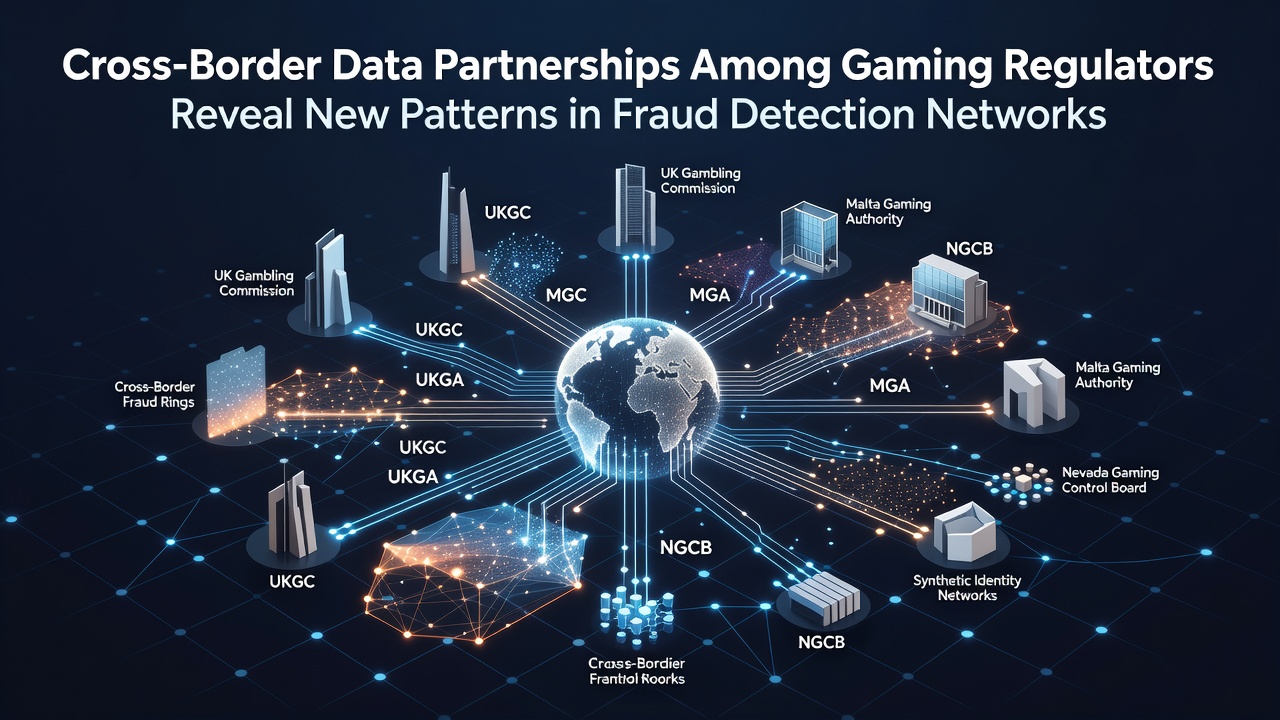
Cross-border data partnerships among gaming regulators have expanded significantly through 2026, creating interconnected systems that identify coordinated fraud schemes across multiple markets, and these collaborations draw on shared transaction records, player behavior logs, and account linkage data to flag suspicious activity in real time. Regulators in North America, Europe, and the Asia-Pacific region established formal data exchange protocols earlier this year, allowing participating agencies to compare patterns that single jurisdictions might miss when operating in isolation.
Expansion of Shared Data Frameworks
Agreements signed in the first half of 2026 built on earlier bilateral arrangements, yet the scale of participation grew when additional agencies joined the network during spring meetings, and the result is a broader pool of anonymized datasets covering player registration details, deposit and withdrawal histories, and betting activity timestamps. Analysts at participating agencies report that matching algorithms now detect multi-jurisdictional account rings more quickly because the combined records reveal repeat use of the same device identifiers or funding sources across borders. One early pilot project involving three North American regulators and two European counterparts demonstrated a 27 percent increase in flagged suspicious accounts within the first ninety days of operation, according to internal summaries circulated among member agencies.
Patterns Emerging from Combined Datasets
Joint analysis teams have identified several recurring structures that single regulators previously treated as isolated incidents, and these include layered proxy networks that route bets through multiple licensed platforms in different countries to obscure ownership, as well as automated scripts that place synchronized wagers across time zones to exploit settlement delays. Data shared through the new partnerships shows clusters of accounts that register with similar email patterns and then fund via the same cryptocurrency mixers, a tactic that becomes visible only when transaction trails from separate jurisdictions are overlaid. In August 2026, a quarterly review meeting highlighted how these networks often target markets with staggered tax reporting deadlines, allowing operators in one region to clear funds before regulators in another jurisdiction receive alerts.
Technical Infrastructure Supporting the Partnerships
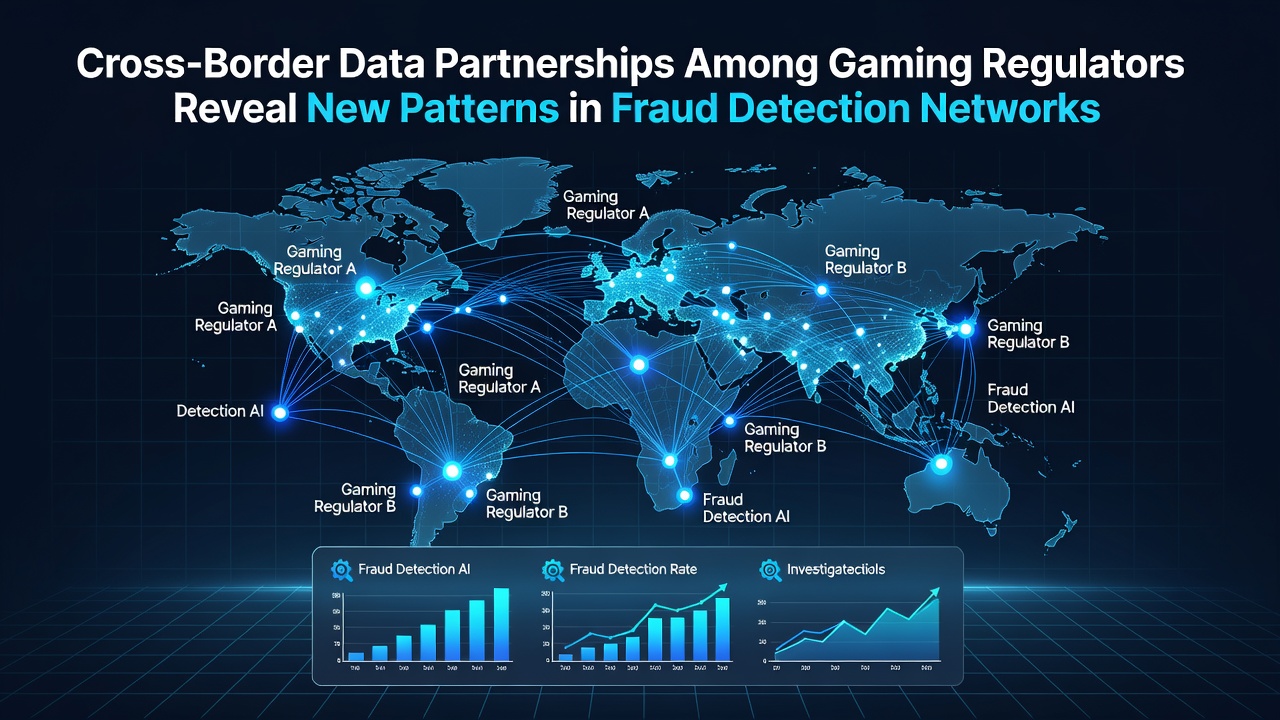
The partnerships rely on standardized data schemas that let agencies map fields such as account creation dates, IP address histories, and payment processor identifiers without exposing personally identifiable information, and participating regulators use encrypted channels managed by a rotating host agency to minimize single-point security risks. Software tools developed for the network apply graph-based analytics that treat each player account as a node and each transaction as an edge, revealing communities of accounts that share indirect connections through common devices or funding paths. Regulators note that the system flags anomalies such as rapid account creation spikes followed by coordinated withdrawal requests, patterns that previously required manual cross-checking between separate agencies.
Case Examples from 2026 Operations
One documented case involved a group of accounts that registered on platforms in three different countries within a forty-eight-hour window, each using slightly varied usernames but identical device fingerprints, and the shared database allowed regulators to link the activity before significant funds moved. Another investigation traced a series of high-volume sports wagers that appeared legitimate within individual markets yet formed a larger arbitrage structure when viewed across borders, prompting coordinated enforcement actions that froze associated accounts simultaneously. These examples illustrate how the partnerships convert fragmented observations into actionable intelligence, and similar cases continue to surface as the dataset grows through summer and into fall 2026.
Regulatory and Industry Responses
Industry associations have responded by updating compliance reporting templates to align with the new data fields requested by the partnerships, while operators adjust internal monitoring systems to mirror the graph-analysis techniques used by regulators. Training programs for compliance staff now include modules on recognizing cross-border indicators, and several major platforms have volunteered anonymized test datasets to help refine detection thresholds. Government agencies outside the initial core group, including those in Australia and select Canadian provinces, have expressed interest in joining future rounds of the data exchange, which could further expand coverage by the end of the year.
Conclusion
The growth of these cross-border data partnerships demonstrates how regulators adapt shared analytical tools to address fraud that spans multiple licensing regimes, and the patterns uncovered so far indicate that continued expansion of the network will likely surface additional coordinated schemes. As more agencies contribute records and refine matching algorithms, the system provides regulators with clearer visibility into activities that cross traditional jurisdictional lines.