Analyzing Demographic Variations in Responses to Self-Limitation Features Within Mobile Gambling Applications
Sam Lehmann · Jun 21, 2026
Analyzing Demographic Variations in Responses to Self-Limitation Features Within Mobile Gambling Applications
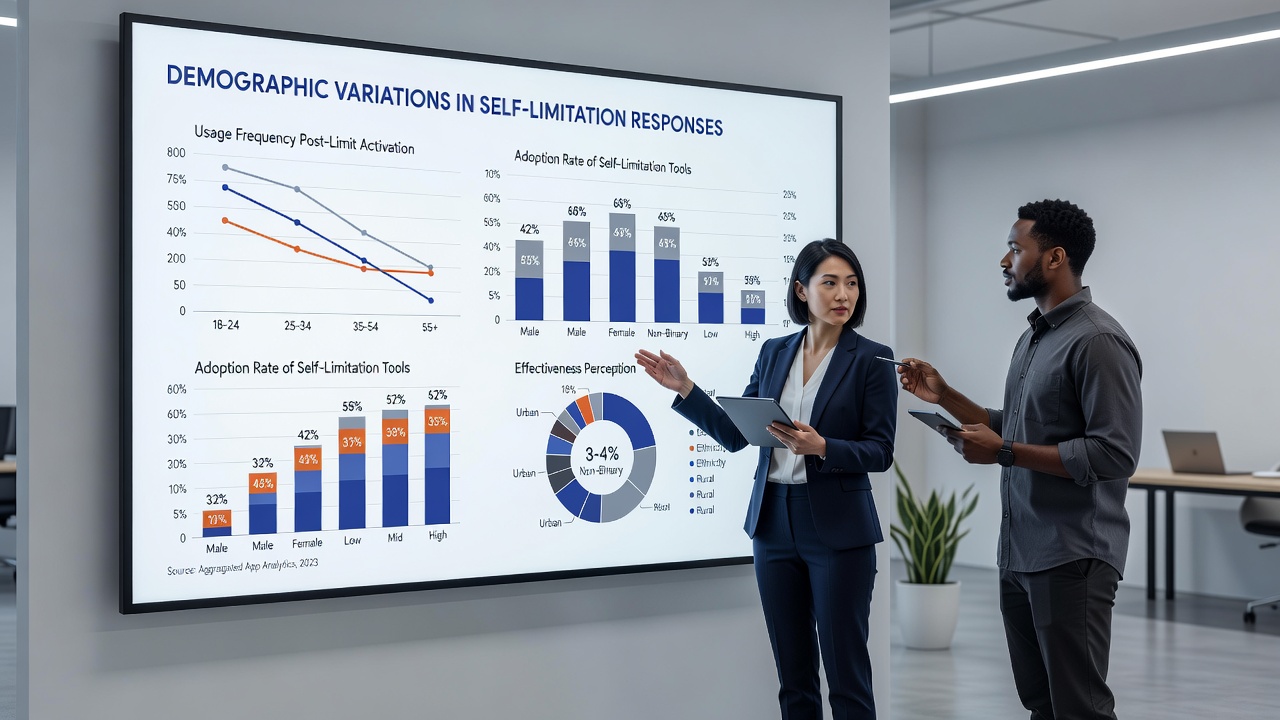
Researchers examining mobile gambling applications have documented clear differences in how various demographic groups interact with self-limitation features such as deposit caps, session time restrictions, and temporary exclusion options, with patterns emerging consistently across multiple studies conducted through early 2026.
Younger users aged 18 to 34 demonstrate higher initial adoption rates for these tools yet often adjust settings more frequently than older cohorts, while data from platform analytics shows that individuals over 45 tend to set stricter limits from the outset and maintain them with fewer modifications over time.
Age Group Patterns in Tool Engagement
Studies tracking user behavior reveal that college-aged participants frequently experiment with time-based limits during high-traffic periods like weekends, yet they deactivate these controls at elevated rates compared to middle-aged users who integrate the features into regular routines without repeated toggling. Observers note that this age-based variation appears tied to differing risk perceptions, with evidence suggesting that those in the 35 to 54 bracket respond more steadily to prompts encouraging limit reviews after reaching 80 percent of a preset threshold.
Platform data collected in teh first half of 2026 indicates that users above 55 engage least often with advanced customization menus, preferring default options that automatically enforce daily or weekly caps without additional user input required.
Gender Differences in Feature Utilization
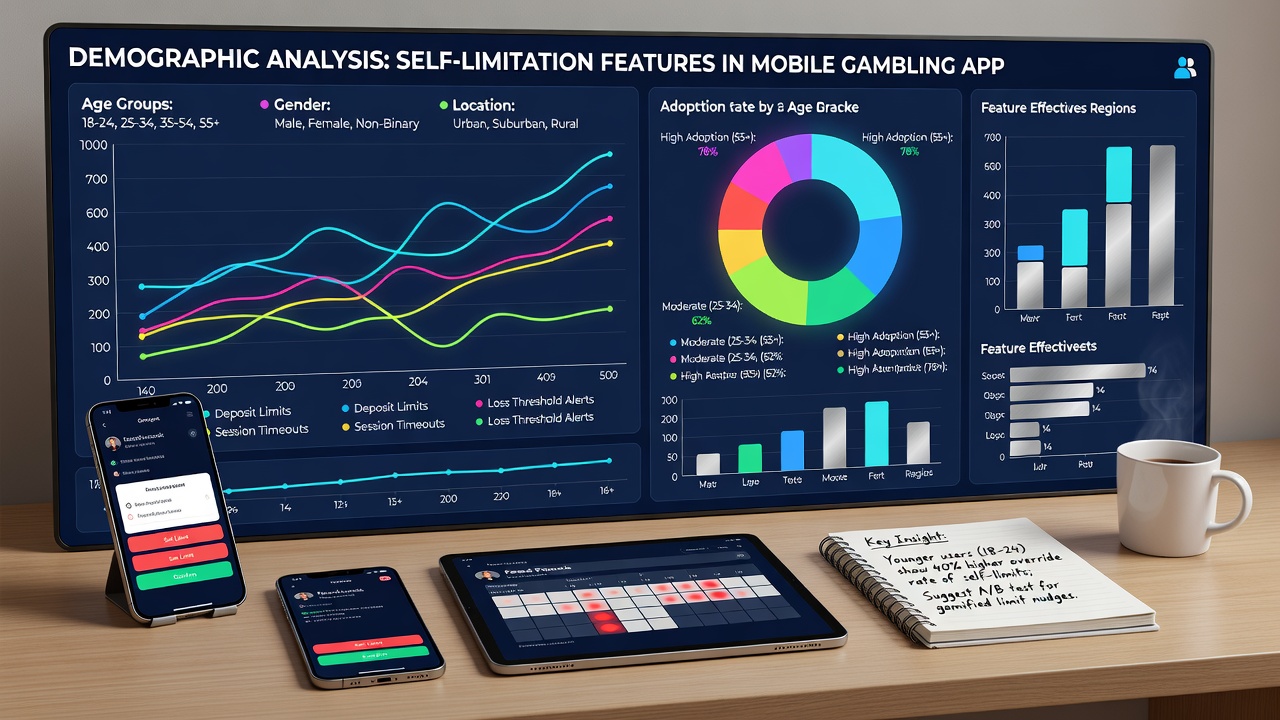
Analyses of account-level statistics point to distinct preferences between male and female users when selecting self-limitation types, where women show stronger engagement with expenditure-based controls while men more commonly activate session duration trackers. These trends hold across several jurisdictions even as overall participation in mobile gambling continues to rise, and research indicates that female users request follow-up notifications about their chosen limits at higher volumes than their male counterparts.
One study revealed that mixed-gender households sometimes share accounts with coordinated limit settings, though individual logins still display separate demographic response curves when disaggregated by primary user data.
Income, Education, and Socioeconomic Influences
Higher-income users exhibit lower overall uptake of self-limitation features yet configure more granular custom alerts when they do engage, whereas lower-income groups set broader restrictions earlier in their account history according to aggregated operator reports. Education levels correlate with comprehension of advanced options, as those holding college degrees navigate multi-tier limit systems more readily than users without postsecondary credentials, leading to varied effectiveness in harm reduction outcomes across these segments.
What's interesting is how employment status intersects with these factors, since full-time workers often align limit resets with pay cycles while part-time or gig economy participants display more irregular adjustment patterns throughout the month.
Regional and Cultural Context in 2026
Regulatory updates rolled out in several U.S. states during June 2026 prompted operators to standardize self-limitation interfaces, which in turn highlighted persistent demographic gaps in feature response rates between urban and rural user bases. Canadian research institutions have tracked similar divides, noting that indigenous communities demonstrate unique patterns when self-exclusion tools integrate with community support programs rather than standalone app functions. Responsible Gambling Council reports from Ontario detail how these integrations affect retention of limit settings over six-month periods.
European operators operating under varying national frameworks report parallel findings, where education campaigns tailored to specific linguistic and cultural groups increase voluntary limit setting among previously underrepresented demographics.
Mobile-Specific Design Factors
App developers have adjusted notification timing and visual cues based on demographic testing, since push reminders perform better among certain age brackets while in-app banners resonate more with others. These refinements coincide with broader industry shifts toward personalized onboarding sequences that present self-limitation options immediately after account creation rather than burying them in settings menus.
Figures from multiple operators show that simplified slider-based interfaces reduce abandonment rates during initial setup for users with lower digital literacy scores, narrowing some previously observed gaps in feature adoption.
Conclusion
Comprehensive tracking across demographic categories continues to inform refinements in mobile gambling self-limitation systems as operators respond to 2026 regulatory expectations. Patterns in age, gender, income, and regional variables provide measurable benchmarks that shape how these tools evolve, with ongoing data collection supporting targeted improvements in accessibility and effectiveness for diverse user populations.