Algorithms Redefine Reward Structures for Digital Casino Players in Various Jurisdictions
Klara Schmidt · Aug 14, 2026
Algorithms Redefine Reward Structures for Digital Casino Players in Various Jurisdictions
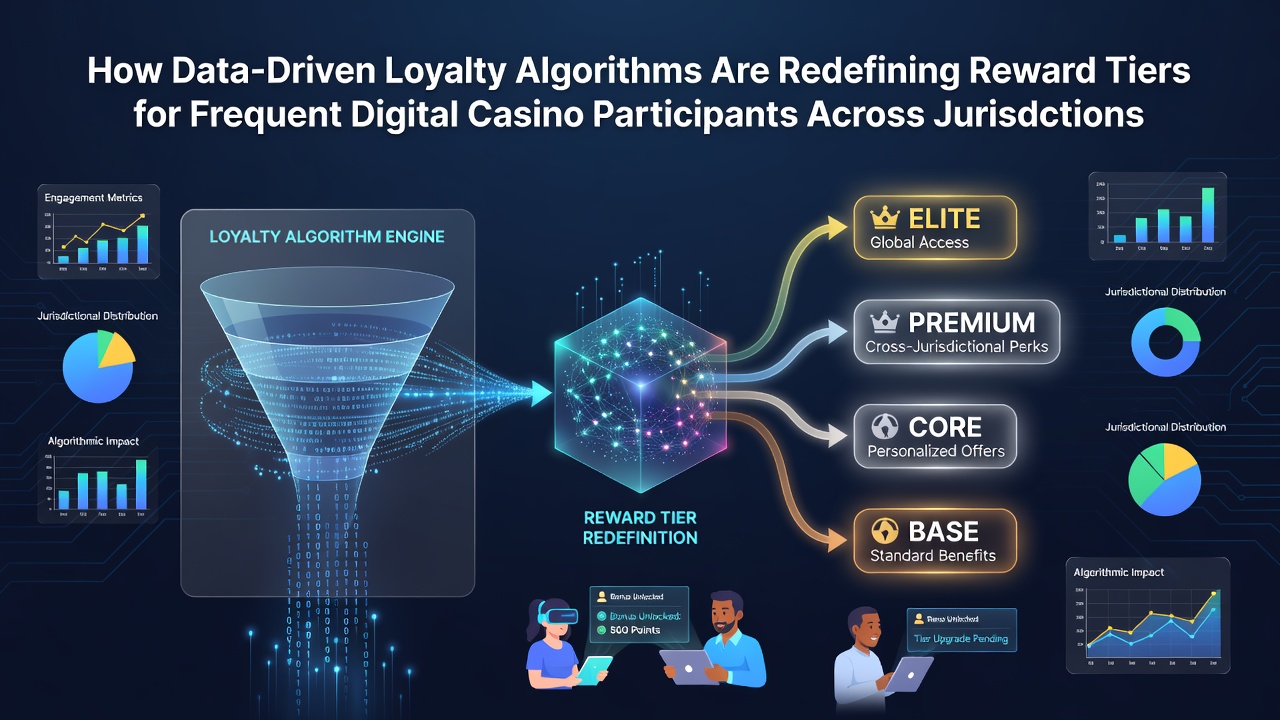
Digital casino operators have integrated advanced data analytics into their loyalty frameworks, which has led to dynamic adjustments in reward tiers for frequent participants operating across multiple regulatory environments, and this shift relies on real-time tracking of player behavior combined with predictive modeling that evaluates engagement patterns, spending velocity, and session duration.
Core Mechanisms Behind Tier Adjustments
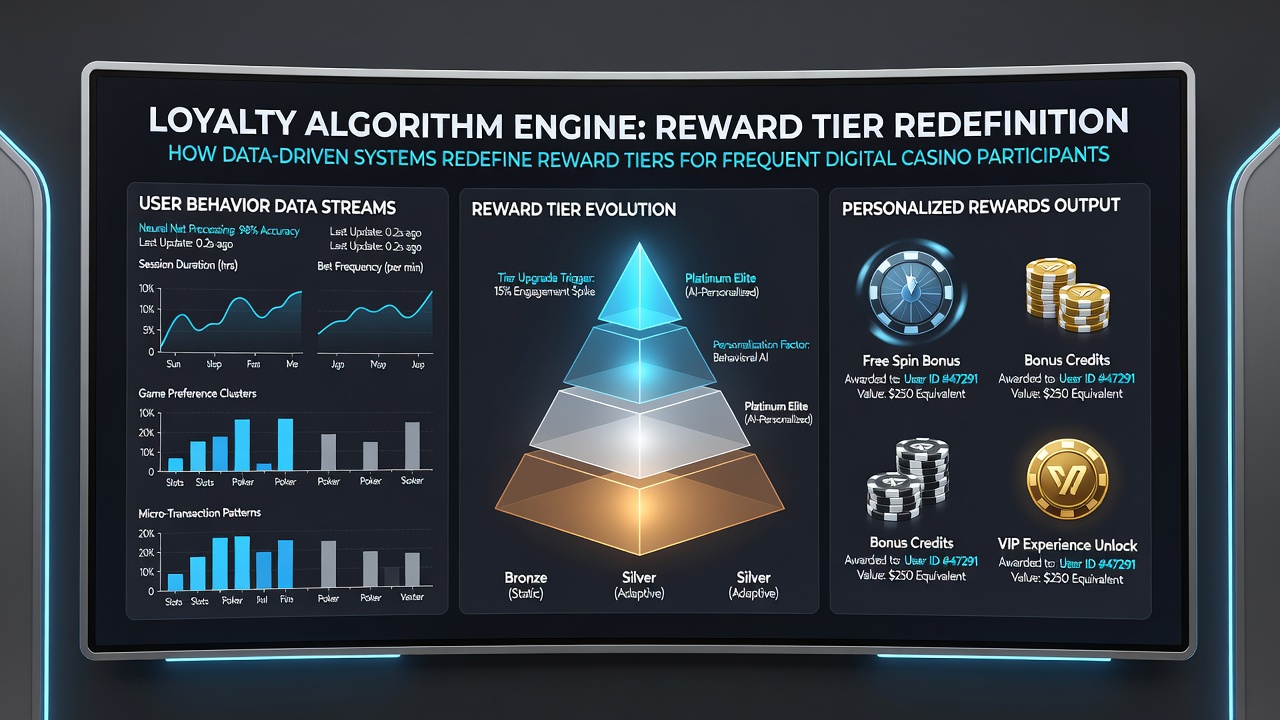
Operators collect granular data points from user sessions including wager frequency, game type preferences, and deposit patterns, then feed those inputs into machine learning models that recalibrate tier thresholds on a weekly or monthly basis, whereas traditional systems relied on static point accumulation over fixed periods. Research indicates that these algorithms now incorporate jurisdiction-specific variables such as local tax rates on winnings and regional player demographics to ensure compliance while optimizing retention metrics. In practice, a participant in one market might advance to a higher tier faster than someone with identical activity in another location because the model factors in competitive density and regulatory caps on promotional offers.
Regional Variations in Implementation
Across North American markets, platforms licensed in states like New Jersey and Pennsylvania have adopted versions that adjust bonus multipliers based on aggregated data from interstate player migrations, and figures from the New Jersey Division of Gaming Enforcement show that loyalty redemptions increased by 12 percent in the first half of 2026 following algorithm updates. Meanwhile, Australian operators under oversight from bodies such as the Western Australia Department of Local Government, Sport and Cultural Industries apply similar systems that weigh seasonal tourism data against domestic play volume to set tier qualification criteria. European jurisdictions introduce additional layers by requiring explicit consent protocols for data usage, which influences how quickly algorithms can refine personal reward offers without triggering compliance reviews.
Observers note that August 2026 brought a notable uptick in cross-border player activity after several Canadian provinces updated their online gaming frameworks, prompting operators to recalibrate loyalty algorithms to account for new tax reporting requirements on tier benefits. These changes have produced tier structures that prioritize lifetime value predictions over short-term volume, resulting in some long-term participants receiving accelerated access to premium benefits while newer high-volume users experience slower progression until their patterns stabilize in the models.
Impact on Player Progression and Retention
Data from industry reports compiled by the European Gaming and Betting Association highlight that operators using these systems recorded a 7 percent rise in average session length among tiered players during the second quarter of 2026, and the models achieve this by surfacing personalized incentives at moments when churn probability scores peak. Participants who engage with multiple game categories tend to receive tier boosts more readily because the algorithms assign higher weights to diversified activity, which reduces concentration risk for the operator. Yet in jurisdictions with strict advertising rules, the same systems limit visible promotions to avoid regulatory flags, shifting the benefit delivery toward in-account credits that only appear after qualification.
Take one analysis conducted by researchers at the University of Nevada, Reno, which examined anonymized datasets from operators in three U.S. states and found that reward tier redefinitions correlated with a measurable drop in player overlap between competing platforms. The study attributed this outcome to algorithms that identify when a participant approaches the threshold for a rival's higher tier and automatically surface counter-offers calibrated to retention economics rather than blanket discounts.
Technical and Regulatory Considerations
Implementation requires robust data pipelines capable of handling real-time ingestion from thousands of concurrent sessions while maintaining audit trails that satisfy varying oversight standards, and operators must document every variable adjustment to demonstrate fairness during periodic reviews by licensing authorities. Algorithms also integrate external signals such as macroeconomic indicators and competitor pricing moves, which allows tier thresholds to flex in response to broader market conditions without manual intervention. This approach has proven particularly useful in markets where player acquisition costs fluctuate sharply due to seasonal events or regulatory announcements.
Conclusion
Overall, data-driven loyalty algorithms continue to evolve reward tier mechanics for digital casino participants by embedding jurisdiction-aware parameters into automated decision frameworks, which produces more granular and responsive systems than earlier point-based models. As operators refine these tools through ongoing data collection, the resulting tier structures reflect a balance between player retention objectives and compliance demands across diverse regulatory landscapes.